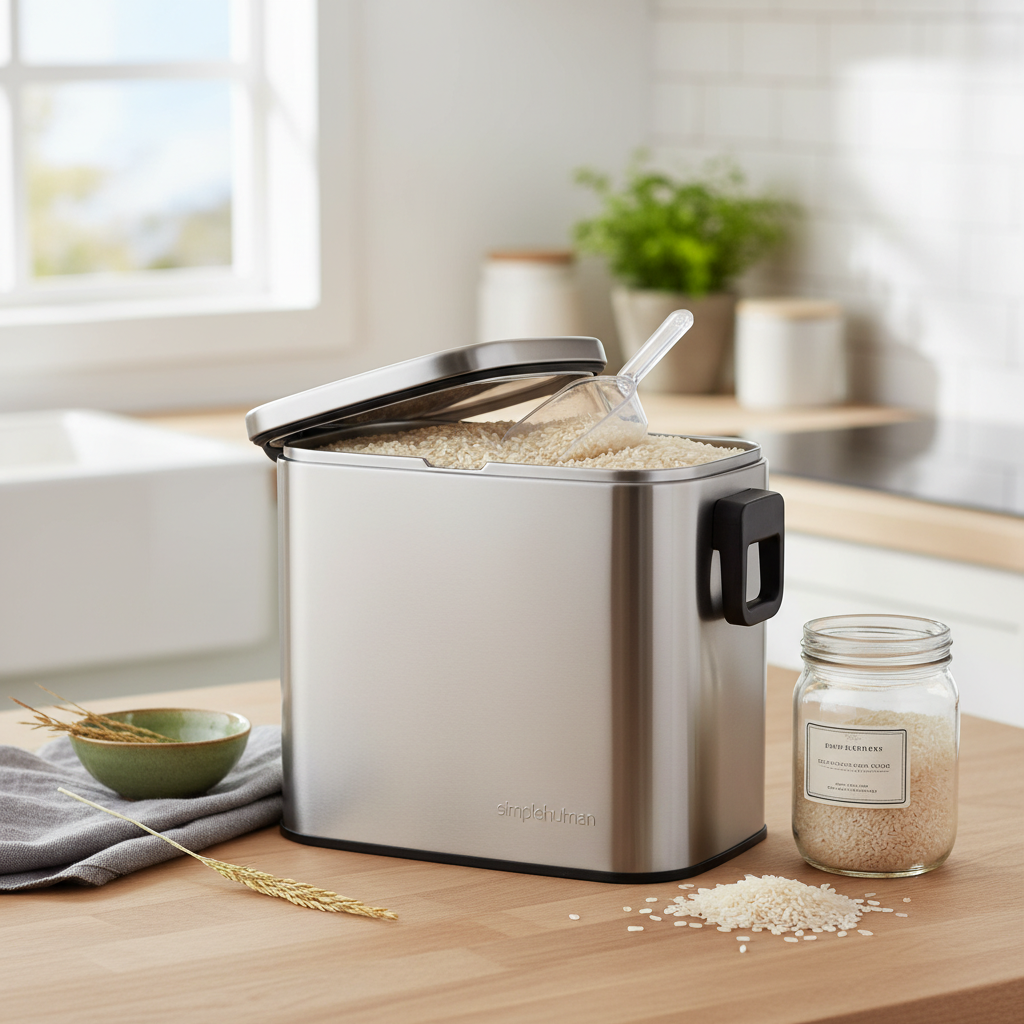
Choosing the right rice dispenser for your kitchen goes beyond mere convenience; it’s a decision that impacts the freshness of your food and, more importantly, the health of your family. In a world brimming with options, understanding the safety implications of different materials is paramount. This guide will meticulously compare plastic and glass rice dispensers, offering insights into their safety, durability, and practical uses to help you select the ideal solution for your home.
The Quest for the Perfect Rice Dispenser: Understanding Your Options
The modern kitchen often features a variety of rice dispensers, ranging from simple mechanical models that dole out precise portions to more advanced electronic or “smart” devices. While their dispensing mechanisms differ, the core consideration remains the material of the primary storage compartment. This is where the debate between plastic and glass truly begins, as it directly affects the integrity and safety of the rice stored within.
Crucial Factors When Choosing a Rice Dispenser
When selecting a rice dispenser, several factors should guide your choice, extending beyond just aesthetics.
- Material: The material dictates the safety and longevity of your dispenser. Food-grade, BPA-free plastic is an option, while glass offers chemical inertness.
- Capacity: Consider your household’s rice consumption. Dispensers come in various sizes, typically ranging from 5kg to 15kg, ensuring you choose one that matches your needs without excessive refilling or prolonged storage of large quantities.
- Design & Features: Look for airtight seals to prevent moisture and pest ingress, easy-to-use dispensing mechanisms, and features that simplify cleaning and maintenance. Protection from light can also be a significant benefit for preserving rice quality over time.
- Brand & Price: Reputable brands often adhere to higher safety and quality standards, though this may come with a higher price point. Investing in a quality dispenser is an investment in your food’s safety and freshness.
|
Our Picks for the Best Rice dispenser in 2026
As an Amazon Associate I earn from qualifying purchases.
|
||
| Num | Product | Action |
|---|---|---|
| 1 | Lifewit Rice Dispenser 25 Lbs(11.3kg), Rice Storage Container Sealed Moisture Proof with Measuring Cup for Kitchen Pantry Household, BPA-Free, 1 Pack Pink |

|
| 2 | Large Rice Dispenser 25Lbs, Cereal Dispenser Rice Container Food Storage Container with Measuring Cup, Cereal Containers Storage Kitchen Storage Household Rice Pet Food Holder (25LBS) |
|
| 3 | Rice Dispenser, Rice Storage Container with Measuring Cup for Kitchen Pantry Household, Dry Food Storage Containers Airtight, Sealed Moisture Proof, Cream White 11 Lbs |
|
| 4 | Lenwi 22-25 Lbs Rice Dispenser, Large Cereal Dry Food Storage Containers with Measuring Cup,BPA-Free Household for Kitchen Pantry Organization-Grey |
|
| 5 | Sooyee 22 Lbs Rice Dispenser with Measuring Cup,Large Food Storage Containers for Rice, Corn,Soybean & Oatmeal,Airtight, Moisture Proof |
|
| 6 | Mity rain Rice Dispenser 20 Lbs with Moisture Absorbing Clay, Rice Storage Container with Measuring Cup, 12 L Cereal Containers Storage Airtight for Kitchen Pantry Organization |
|
| 7 | Lifewit Rice Dispenser 25 Lbs(11.3kg), Rice Storage Container Sealed Moisture Proof with Measuring Cup for Kitchen Pantry Household, BPA-Free, 1 Pack Clear |
|
| 8 | LUOKER Rice Dispenser,25 Lbs Rice Storage with Measuring Cup,White&Green Rice Container with One-Touch,Cereal Dispenser Storage with Lids for Rice, Corn,Soybean & Oatmeal,Airtight, Moisture Proof |
|
| 9 | Aroma Housewares 27lbs Large Rice Dispenser, 7.25 x 16.5 x 16.5 inches, White |
|
| 10 | Rice Dispenser, Slim Rice Storage Container for Small Space, BPA-Free Clear Dry Food Dispenser Sealed Moisture Proof, Grain Storage Bucket for Kitchen Pantry Household (Green11Lbs) |
|
Plastic Rice Dispensers: Convenience with Caveats
Plastic rice dispensers are a ubiquitous sight in many kitchens due to their practical advantages. They offer a blend of affordability, diverse designs, and ease of use.
Advantages of Plastic Dispensers
Plastic dispensers are celebrated for their lightweight nature, making them easy to move and handle. They are significantly more durable and shatter-resistant than glass, a crucial factor in busy households or for those concerned about accidental drops. Their lower cost also makes them an attractive option for budget-conscious consumers. Many plastic dispensers are opaque, which can be beneficial for rice storage as it shields the grains from light exposure, a factor that can degrade rice quality over long periods. [cite: 3_3]
Potential Safety Concerns with Plastic
Despite their practical benefits, plastic rice dispensers come with potential safety concerns. The primary worry revolves around chemical leaching. Certain plastics, especially when not labeled “BPA-free” or “food-grade,” can release harmful chemicals like Bisphenol A (BPA), phthalates, BHA, and acetaldehyde into food. These chemicals have been linked to hormone disruption and other serious health risks. Heat can exacerbate this leaching process, so plastic containers not designed for high temperatures should never be used for warm rice or placed near heat sources.
Furthermore, plastics are inherently more permeable than glass, meaning they can “breathe” over time. While often airtight enough for everyday use, this characteristic makes them less ideal for very long-term, oxygen-free storage compared to glass or metal. [cite: 3_2] Over extended periods, plastic can also degrade, leading to cracking, warping, and an unfortunate tendency to absorb odors and stains, which can compromise hygiene and taste. Therefore, if opting for plastic, it is crucial to select products explicitly labeled as “food-grade” and “BPA-free” to minimize potential health risks. [cite: 1_2, 2_2]
Glass Rice Dispensers: The Gold Standard for Purity
For those prioritizing utmost food safety and purity, glass rice dispensers stand out as the superior choice.
Benefits of Glass Dispensers
Glass is widely considered the safest material for food storage due to its chemically inert and non-toxic nature. It does not react with food, nor does it leach any harmful chemicals into your rice, regardless of temperature or the rice’s condition. [cite: 2, 3_2, 5_2] This non-reactive property also means glass won’t absorb any odors, flavors, or stains from the rice, ensuring that each batch remains pure and untainted. [cite: 1_2, 2_2, 3_2, 5_2]
The transparency of glass offers a distinct advantage: it allows for easy monitoring of rice levels and quality, so you can readily see when a refill is needed or if any issues arise. [cite: 1, 4_2] Glass containers typically feature excellent airtight seals, which are critical for preserving rice freshness by keeping out moisture, air, and pests. [cite: 1_2, 2_2, 4_2, 5_2] While more fragile, glass is incredibly durable from a chemical standpoint, maintaining its integrity and non-toxic properties for years.
Drawbacks of Glass
Despite its safety advantages, glass is not without its downsides. Its primary drawback is fragility; glass dispensers are prone to breaking if dropped, which can be a significant concern in kitchens with children or pets. They are also considerably heavier than plastic alternatives, making them less portable and potentially cumbersome when full. [cite: 1, 4_2] Glass dispensers typically come with a higher price tag. [cite: 1, 4_2]
Another consideration is that while transparency is a benefit for visibility, it also exposes rice to light. For very long-term storage, consistent light exposure can slowly degrade rice quality, a factor where an opaque plastic or metal container might have a slight advantage in a brightly lit pantry.
Making the Right Choice: A Comparative Analysis
To summarize the key differences and help you decide, here’s a comparative overview:
| Feature | Plastic Rice Dispenser | Glass Rice Dispenser |
|---|---|---|
| Safety | Potential for chemical leaching (if not BPA-free/food-grade), permeable over long term. | Superior; non-toxic, non-reactive, no chemical leaching. |
| Durability | Shatter-resistant, lightweight, but can crack/warp/stain over time. | Fragile; prone to breakage if dropped, but chemically robust. |
| Weight | Lightweight | Heavy |
| Cost | More affordable | More expensive |
| Transparency | Often opaque (good for light protection) or clear. | Clear (easy monitoring, but allows light exposure). |
| Odor/Stain | Can retain odors and stains. | Does not retain odors or stains. |
| Long-Term Storage | Less ideal due to permeability/leaching, unless high-quality BPA-free and opaque. | Excellent for freshness and purity; consider opaque options or dark storage to mitigate light exposure. |
| Cleaning | Easy, but may require extra effort for stains/odors. | Very easy; rinses clean without residue. |
| Heat Use | Generally avoid heating (microwaving) as it increases leaching risk. | Many are microwave/oven safe (without lid), offering versatility. |
Expert Tips for Using and Maintaining Your Rice Dispenser
Regardless of the material you choose, proper usage and maintenance are critical for ensuring the safety and longevity of your rice and dispenser:
- Clean Regularly: Frequently clean your dispenser to prevent the buildup of rice dust, moisture, and to deter pests.
- Maintain Airtight Seals: Always ensure the lid and dispensing mechanism form an airtight seal to protect rice from humidity, oxygen, and insects.
- Store in Ideal Conditions: Keep your rice dispenser in a cool, dry, and dark place. This is especially important for plastic to minimize leaching and for glass to prevent light degradation of rice.
- Inspect for Damage: Periodically check your dispenser for any cracks, chips, or signs of wear, especially in plastic, which can compromise its protective qualities.
- Follow Manufacturer Guidelines: Always adhere to the manufacturer’s instructions for cleaning, refilling, and any specific care requirements.
“When it comes to dry food storage like rice, airtightness and material inertness are paramount. While plastic offers convenience, the peace of mind that comes with glass’s non-reactive nature is often invaluable for long-term health.” – Dr. Anya Sharma, Food Safety Expert
Conclusion
The choice between a plastic and glass rice dispenser ultimately hinges on your personal priorities. If budget and shatter-resistance are your primary concerns, a high-quality, BPA-free, food-grade plastic dispenser can serve you well, especially if opaque to protect from light. However, for unparalleled safety, purity, and chemical inertness, glass remains the superior option, free from concerns about chemical leaching or odor retention.
By understanding the distinct advantages and disadvantages of each material, you can make an informed decision that aligns with your household’s needs and health goals, ensuring your rice stays fresh, safe, and ready for your next meal. Which material will you choose to safeguard your staple grain?
Frequently Asked Questions
Is BPA-free plastic truly safe for rice storage?
While BPA-free plastic eliminates one known concern, some studies suggest other chemicals used as BPA substitutes might also have health implications. For dry storage like rice, as long as it’s food-grade and not exposed to heat, BPA-free plastic is generally considered safe for everyday use, but glass offers an even higher degree of chemical inertness.
Can I use any plastic container for my rice?
No, it’s crucial to use only food-grade plastic containers for rice storage. Plastics not designated for food use may contain harmful chemicals that can leach into your food. Always look for labels indicating “food-safe” and “BPA-free” to ensure safety.
How often should I clean my rice dispenser?
It’s recommended to clean your rice dispenser thoroughly every time you refill it or at least once a month, even if it’s not completely empty. This prevents the accumulation of fine rice dust, moisture, and potential pest infestations, maintaining optimal hygiene.
Does light affect stored rice?
Yes, prolonged exposure to light, especially direct sunlight, can degrade the nutritional quality of rice, particularly its vitamin content, and can also affect its flavor and texture over time. Storing rice in opaque containers or in a dark pantry is always recommended to preserve its quality.