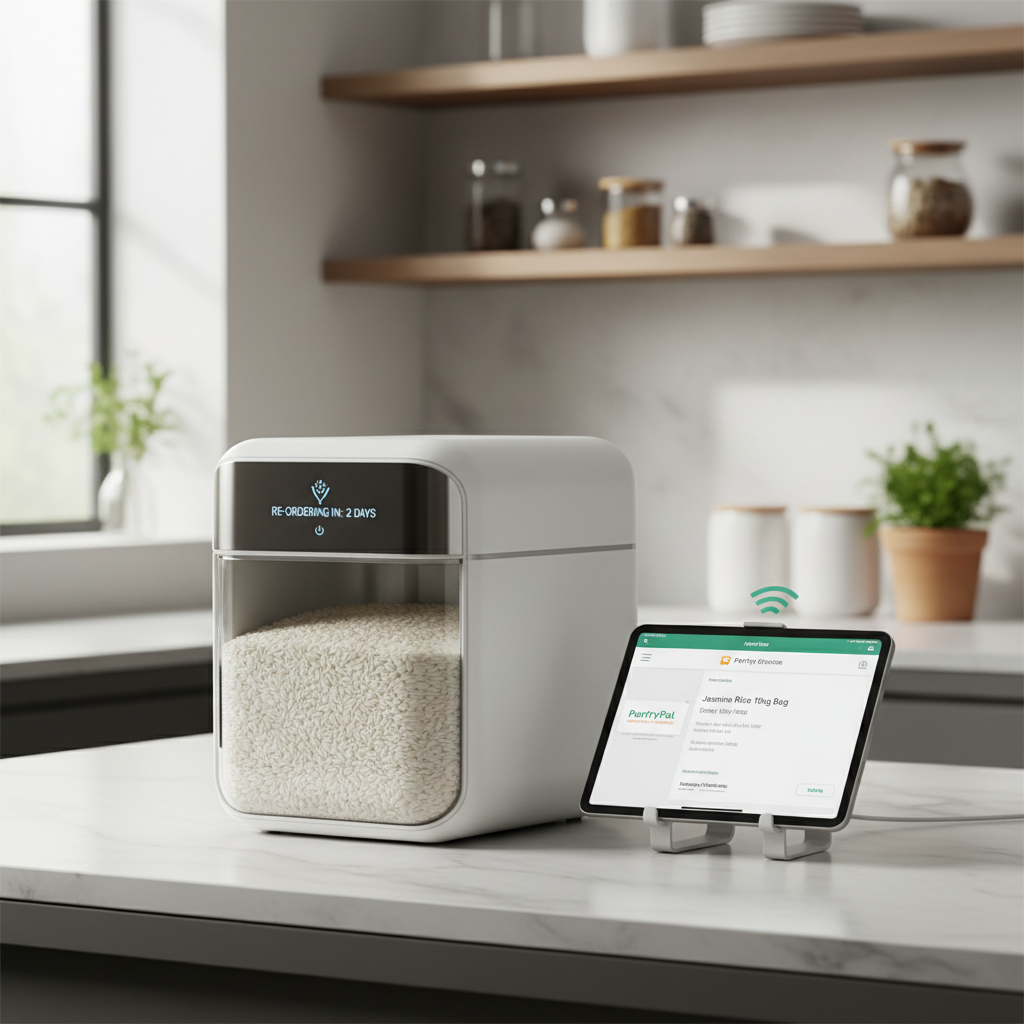
For anyone who loves rice as a staple, the convenience of a rice dispenser is undeniable. It promises easy access, organized storage, and, ideally, precise measurements. As a seasoned technician with over a decade in home appliances, especially kitchen gadgets like these, I understand the desire for perfect portions every time. While “calibrating” a rice dispenser might sound like a technical task reserved for professional equipment, for most home models, it’s more about understanding your appliance and establishing a personal verification routine to ensure accuracy in your cooking.
Achieving consistent rice dishes, from fluffy white rice to perfectly sticky sushi rice, hinges significantly on accurate measurements. Too much rice can lead to undercooked grains or an overwhelming portion, while too little might result in a watery mess. Your rice dispenser is designed to simplify this, but variations can occur. This guide will walk you through understanding your dispenser’s “measurement” and how to practically ensure you’re getting the exact amount of rice needed for culinary success.
The Nuance of “Calibration” for Rice Dispensers
When we talk about “calibrating” a device, we typically imagine a mechanism to adjust its settings to a known standard, like adjusting a food scale with calibration weights. However, most household rice dispensers, particularly the mechanical or semi-automatic types, don’t feature a user-accessible calibration mode. Their measurement is inherent in their design – a specific chamber size or a fixed mechanism that dispenses a pre-determined volume of rice with each press or turn.
Therefore, for the typical home rice dispenser, “calibration” isn’t about altering internal settings. Instead, it transforms into a process of verification and adjustment of usage. It involves checking the dispenser’s output against a reliable standard and understanding any consistent discrepancies. This empowers you to make informed decisions for your cooking, ensuring your rice comes out perfect every time, regardless of your dispenser’s factory-set “measurement.”
Why Accurate Rice Measurement Matters
The foundation of any great rice dish lies in precise measurements. This isn’t just about culinary perfection; it impacts taste, texture, and even your kitchen economy.
Firstly, consistent cooking results are paramount. Every type of rice has an ideal rice-to-water ratio. Deviating from this, even slightly, can lead to rice that’s too hard, too soft, gummy, or crunchy. Accurate measurement ensures your rice cooker or pot has the correct starting point for its cooking cycle, consistently delivering the desired texture and flavor.
Secondly, portion control and waste reduction are significant benefits. Knowing exactly how much rice you’re dispensing helps you prepare just enough for your meal, preventing leftovers that might go bad or unnecessary cooking of excess grains. This is especially useful for managing dietary needs or feeding a family efficiently.
Finally, flavor and absorption are directly affected. Rice absorbs water, and the ratio of rice to water is crucial for how it expands and develops flavor. Inaccurate measurements can throw off this delicate balance, impacting the overall deliciousness of your meal.
Understanding Your Rice Dispenser’s Measurement Mechanism
Rice dispensers come in various forms, each with a different approach to “measuring” rice. Understanding these mechanisms is the first step in ensuring accuracy.
Mechanical/Volumetric Dispensers
These are the most common types found in homes. They typically operate with a lever or button that, when activated, releases a fixed volume of rice from an internal chamber. The “measurement” is determined by the size of this chamber.
- How they work: When you press the button, a gate opens, allowing rice to fill a specific cavity. As you release the button or press it fully, another gate opens, and the measured rice falls into your collecting cup.
- Factors affecting consistency:
- Rice Compaction: How tightly the rice grains settle in the hopper and the measuring chamber can influence the actual volume dispensed. Finer grains or well-packed rice might lead to slightly more weight per “cup.”
- Rice Type: Different rice types (e.g., long-grain, short-grain, brown rice) have varying densities and grain shapes, which can affect how they fill the measuring chamber and thus the consistency of a volumetric dispense.
- Hopper Level: When the dispenser is full, the weight of the rice above can slightly compress the rice in the measuring chamber, potentially leading to a slightly denser dispense. As the hopper empties, this pressure decreases.
|
Our Picks for the Best Rice dispenser in 2026
As an Amazon Associate I earn from qualifying purchases.
|
||
| Num | Product | Action |
|---|---|---|
| 1 | LUOKER Rice Dispenser,25 Lbs Rice Storage with Measuring Cup,White&Green Rice Container with One-Touch,Cereal Dispenser Storage with Lids for Rice, Corn,Soybean & Oatmeal,Airtight, Moisture Proof |

|
| 2 | Aroma Housewares 27lbs Large Rice Dispenser, 7.25 x 16.5 x 16.5 inches, White |
|
| 3 | Rice Dispenser, Slim Rice Storage Container for Small Space, BPA-Free Clear Dry Food Dispenser Sealed Moisture Proof, Grain Storage Bucket for Kitchen Pantry Household (Green11Lbs) |
|
| 4 | Lenwi 22-25 Lbs Rice Dispenser, Large Cereal Dry Food Storage Containers with Measuring Cup,BPA-Free Household for Kitchen Pantry Organization-Grey |
|
| 5 | Sooyee 22 Lbs Rice Dispenser with Measuring Cup,Large Food Storage Containers for Rice, Corn,Soybean & Oatmeal,Airtight, Moisture Proof |
|
| 6 | Lifewit Rice Dispenser 25 Lbs(11.3kg), Rice Storage Container Sealed Moisture Proof with Measuring Cup for Kitchen Pantry Household, BPA-Free, 1 Pack Pink |
|
| 7 | Large Rice Dispenser 25Lbs, Cereal Dispenser Rice Container Food Storage Container with Measuring Cup, Cereal Containers Storage Kitchen Storage Household Rice Pet Food Holder (25LBS) |
|
| 8 | Mity rain Rice Dispenser 20 Lbs with Moisture Absorbing Clay, Rice Storage Container with Measuring Cup, 12 L Cereal Containers Storage Airtight for Kitchen Pantry Organization |
|
| 9 | Lifewit Rice Dispenser 25 Lbs(11.3kg), Rice Storage Container Sealed Moisture Proof with Measuring Cup for Kitchen Pantry Household, BPA-Free, 1 Pack Clear |
|
| 10 | Rice Dispenser, Rice Storage Container with Measuring Cup for Kitchen Pantry Household, Dry Food Storage Containers Airtight, Sealed Moisture Proof, Cream White 11 Lbs |
|
Digital/Smart Dispensers
While less common for basic rice-only functions, some advanced food dispensers or smart kitchen devices might offer digital controls that dispense by weight or a more precisely controlled volume.
- How they work: These systems often use sensors or even integrated scales to dispense a highly accurate amount. They might allow for programmable portions.
- Calibration potential: If a dispenser truly has a digital “measurement” system, it might come with manufacturer instructions for recalibration, similar to a digital scale. However, this is rare for dedicated rice dispensers and more typical for high-end food ingredient dispensers. For the purpose of this guide, we’ll focus on the more common volumetric home dispensers.
“Calibrating” Your Rice Dispenser: Practical Verification Steps
Since direct internal calibration is uncommon, our focus shifts to verifying your dispenser’s output and learning to compensate for any consistent deviations. Think of this as getting to know your dispenser’s quirks to achieve perfect results.
Step 1: Gather Your Tools
Before you begin, ensure you have the right equipment for accurate testing:
- A standard measuring cup: Ideally, a dry measuring cup (e.g., 1-cup capacity) that you know is accurate. If your rice dispenser came with its own cup, use that as your primary target, but have a standard cup for comparison.
- A reliable kitchen scale: A digital kitchen scale that measures in grams and ounces is invaluable. This provides the most objective measurement, as volume can be influenced by how rice is packed.
- The rice you typically use: Consistency is key, so test with the type of rice you cook most often.
Step 2: Establish a Baseline
This step involves dispensing a known quantity of rice and measuring its actual output.
- Prepare your dispenser: Ensure your rice dispenser is filled to at least a quarter of its capacity, as the rice level can influence dispensing consistency.
- Dispense a portion: Press the dispenser button/lever to release one “serving” or one click’s worth of rice into your collecting cup.
- Measure by volume: If you are primarily interested in volumetric accuracy (e.g., matching a rice cooker’s cup markings), level off the dispensed rice in a standard measuring cup and note the exact volume.
- Measure by weight (recommended): Place your collecting cup on the kitchen scale and zero it out. Then dispense the rice into the cup. Record the weight in grams. This is often more precise than volumetric measurement.
Step 3: Test for Consistency
A single measurement isn’t enough. You need to check if your dispenser delivers consistent results.
- Repeat the dispensing and measuring process several times (e.g., 5-10 times) with fresh dispenses.
- For each test, record both the volume and weight (if you’re tracking both).
- Note the rice level in the hopper: Perform some tests when the hopper is full, and some when it’s half-full or less, to see if the rice level impacts the dispensed amount.
Step 4: Record and Analyze
Organize your data to identify patterns. You can use a simple table:
| Test # | Dispensed Volume (e.g., mL/cup) | Dispensed Weight (grams) | Hopper Level | Notes (e.g., ‘fast press’, ‘slow press’) |
|---|---|---|---|---|
| 1 | Full | |||
| 2 | Full | |||
| … | Low |
Look for:
- Average output: What is the typical volume/weight dispensed per press?
- Consistency: How much do the individual measurements vary from the average?
- Impact of hopper level: Does the amount change significantly as the rice level drops?
- Impact of user technique: Does pressing the button quickly vs. slowly make a difference?
Step 5: Adjust Your Usage
Based on your findings, you can now effectively “calibrate” your interaction with the dispenser.
- If consistently off: If your dispenser consistently dispenses, for example, 90 grams instead of your desired 100 grams, you know you need to dispense slightly more (e.g., press the button a second time partially, or adjust your water ratio accordingly in your recipe).
- If inconsistent: If the output varies significantly, you might need to adjust your pressing technique, or consider troubleshooting the dispenser itself.
- Develop a conversion: You might learn that one “dispenser scoop” equals, for instance, 0.9 of a standard rice cooker cup, or exactly 150 grams of your preferred rice. This personal calibration helps you achieve accuracy.
Factors Affecting Rice Dispenser Accuracy
Even without a formal calibration setting, several factors can influence the consistency of your dispenser’s output. Being aware of these helps you get more precise measurements.
- Type of Rice: Different rice varieties have distinct characteristics. Long-grain rice, like Basmati or Jasmine, will flow and settle differently than short-grain sticky rice or medium-grain Arborio. Brown rice, with its outer bran layer, is larger and less dense than white rice. These differences can affect how tightly rice packs into the dispenser’s measuring chamber, leading to variations in the actual weight dispensed even if the volume appears similar.
- Humidity: In humid environments, rice grains can absorb moisture, causing them to swell slightly and become stickier. This can hinder their free flow through the dispenser mechanism, leading to inconsistent dispensing or even blockages. Conversely, very dry rice might flow too easily, potentially affecting density in the measuring chamber.
- Rice Level in Hopper: The amount of rice remaining in the main storage hopper can create varying degrees of pressure on the rice in the dispensing mechanism. A full hopper exerts more downward force, which might slightly compress the rice in the measuring chamber, leading to a denser dispense. As the hopper empties, this pressure decreases, potentially resulting in a slightly lighter dispense per “click.”
- Dispenser Condition: Over time, wear and tear can affect mechanical parts. Dust, rice fragments, or sticky residue can accumulate, especially in the dispensing chute or around moving parts. This buildup can obstruct the flow, jam the mechanism, or prevent it from fully closing or opening, leading to inaccurate or inconsistent portions. Regular cleaning is crucial.
- User Technique: Believe it or not, how you interact with the dispenser can matter. A quick, decisive press of a button or lever might yield a more consistent dispense than a hesitant or partial press, which could interrupt the filling of the measuring chamber. Consistent technique helps ensure consistent results.
Troubleshooting Common Measurement Issues
If your rice dispenser isn’t giving you the accurate measurements you need, here’s how to troubleshoot some common problems.
Inconsistent Output
If your dispenser delivers different amounts of rice with each press, it’s usually a sign of a mechanical issue or blockage.
- Check for Blockages: Inspect the dispensing chute and the measuring chamber for any lodged rice grains, dust, or debris. Sometimes a single grain can prevent a gate from closing properly. Use a soft brush or a dry cloth to clear any obstructions.
- Clean Thoroughly: If your dispenser is designed to be disassembled for cleaning, follow the manufacturer’s instructions. A buildup of rice flour or sticky residue (especially if you store different types of grains) can interfere with smooth operation. Ensure all moving parts are clean and dry.
- Examine Mechanical Parts: If your dispenser has visible levers, springs, or rotating parts, check for any signs of damage, bending, or excessive wear. A faulty spring might not return the mechanism to its correct position, affecting the next dispense. If a part is broken, contact the manufacturer for replacement options.
- Test with Different Rice: Sometimes, a particular type of rice might be problematic due to its size or texture. Try loading a different, well-known rice type (e.g., standard white long-grain) to see if the inconsistency persists.
Incorrect Volume/Weight
If your dispenser consistently dispenses an amount that is always off from your desired target, but consistently so, it’s less a malfunction and more a characteristic of the dispenser.
- Perform Verification (as outlined above): Use a kitchen scale and standard measuring cups to determine the exact average output of your dispenser.
- Compensate in Your Recipe: Once you know the consistent deviation, you can easily adjust. For example, if your dispenser’s “one press” is actually 0.9 of a standard rice cooker cup, you’ll know to press it slightly more or use a bit less water in your recipe. If it’s 1.1 cups, you’ll adjust similarly.
- Consider Manufacturer Specifications: Check if your dispenser’s manual specifies the volume or weight dispensed per press. Compare your measured results to these specifications. If there’s a significant difference from the stated spec, you might have a defective unit and should contact customer support.
Choosing a Rice Dispenser for Measurement Precision
When selecting a new rice dispenser, or if you’re evaluating your current one, certain features contribute to better measurement precision and overall reliability.
- Clear Mechanism: Dispensers with a simple, robust dispensing mechanism (e.g., a clearly defined volumetric chamber) tend to be more predictable. Avoid overly complex designs that might have more points of failure or inconsistency.
- Reputable Brands and Reviews: Opt for brands known for quality kitchen appliances. Read user reviews specifically mentioning measurement consistency. Look for comments on whether the dispenser accurately dispenses the stated quantity or if users report wide variations.
- Dedicated Measuring Cups: Some high-quality rice dispensers or rice cookers come with their own specific measuring cups. These cups are often calibrated to the optimal cooking ratios for that brand’s appliances, which can enhance overall accuracy when used together.
- Material Quality: Dispensers made from durable, smooth, food-grade materials (like certain plastics or stainless steel) are less likely to accumulate residue or wear down unevenly, which can affect flow and consistency over time.
- Ease of Cleaning: A dispenser that is easy to disassemble and clean thoroughly will help maintain its accuracy. Regular cleaning prevents blockages and residue buildup that can skew measurements.
“A precise measurement is the silent hero of every perfectly cooked meal. Understanding your tools, even a humble rice dispenser, empowers you to create culinary masterpieces consistently.” – John Davis, Appliance Technician & Culinary Enthusiast
Beyond the Dispenser: Tips for Overall Rice Measurement Accuracy
While your rice dispenser plays a role, several other practices contribute to overall accurate rice preparation.
- Always Use the Correct Rice Cup: If your rice cooker came with a specific measuring cup, use it. These “rice cups” are often not standard U.S. measuring cups (which are 240ml), but rather smaller (around 180ml or 3/4 standard cup). They are designed to work with the water lines in your rice cooker.
- Level Off Rice in the Cup: When measuring rice manually or verifying your dispenser’s output in a cup, always use the “overfill and level off” method. Scoop rice into the cup until it’s overflowing, then use a flat edge (like a knife or straight ruler) to gently scrape off the excess, ensuring a perfectly level surface. Avoid shaking or compacting the rice into the cup, as this can lead to an inaccurate volume.
- Consider a Food Scale for Critical Recipes: For the absolute highest precision, especially for recipes where exact ratios are crucial (like baking, or very specific rice dishes), a digital food scale is your best friend. Weighing rice ensures consistency regardless of grain size, compaction, or humidity. This eliminates the variables inherent in volumetric measurements.
- Store Rice Properly: Keep your rice in airtight containers in a cool, dry place. This prevents moisture absorption, pests, and maintains the rice’s integrity, ensuring consistent flow through your dispenser.
Frequently Asked Questions
Why do my rice measurements seem inconsistent even with a dispenser?
Inconsistencies often stem from factors like the type of rice, how it compacts in the dispenser’s chamber, humidity affecting rice flow, or accumulation of residue within the mechanism. Regularly checking and cleaning your dispenser, along with consistent user technique, can greatly improve reliability.
Can I really “calibrate” a simple mechanical rice dispenser?
Most basic mechanical rice dispensers do not have an adjustable calibration setting. Instead, “calibrating” refers to the process of verifying its output with a kitchen scale or standard measuring cup and then adjusting your personal usage or cooking recipe to compensate for any consistent deviations.
What is the ideal way to measure rice for a rice cooker?
The ideal method is to use the specific measuring cup that came with your rice cooker, as it’s designed to align with the water level markings in the pot. Fill the cup by overfilling and then leveling off the top gently, avoiding compaction, to ensure an accurate volume.
How often should I clean my rice dispenser to maintain accuracy?
Regular cleaning is crucial. Depending on usage, aim to clean your rice dispenser thoroughly every 1-3 months. If you notice any sticking, blockages, or inconsistent output, clean it immediately. Always refer to your dispenser’s manual for specific cleaning instructions.
Does the type of rice really affect how much a dispenser gives?
Yes, absolutely. Different rice types (long-grain, short-grain, brown) have varying densities, shapes, and sizes. These characteristics impact how they fill the dispenser’s volumetric chamber, meaning the same “volume” dispensed by the machine might equate to different weights for different rice types.
My dispenser gives slightly less rice than a standard cup. What should I do?
First, verify the exact amount your dispenser gives using a kitchen scale and a standard measuring cup. Once you know the precise deviation, you can either press the dispenser button a bit more than once to get your desired amount, or slightly adjust the water ratio in your recipe to account for the smaller rice portion.