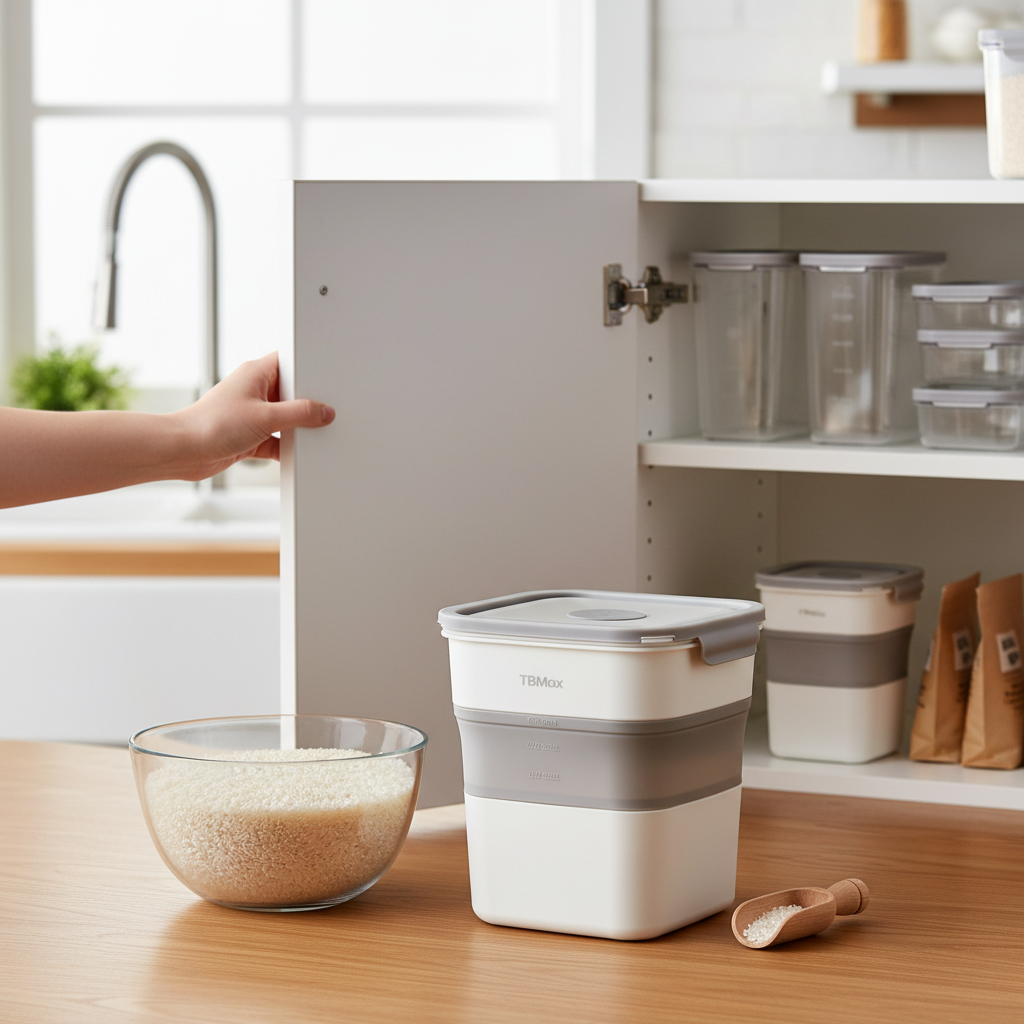
In the bustling heart of every home, the kitchen stands as a testament to daily sustenance and culinary creativity. For many, rice is not just a side dish but a staple, a cornerstone of countless meals. Ensuring its freshness, accessibility, and precise portioning has led to the widespread adoption of rice dispensers. These innovative storage solutions offer a clean, organized, and hygienic way to manage your grains, moving beyond cumbersome bags and scoops. However, not all dispensers are created equal, particularly when it comes to their dispensing mechanisms. The choice between a manual slider and a button-operated dispenser can significantly impact your daily cooking experience. Understanding the nuances of each type is key to selecting the perfect rice dispenser that seamlessly integrates into your kitchen workflow and meets your family’s needs.
Understanding Popular Rice Dispenser Types
Modern rice dispensers have evolved to offer various mechanisms, each designed to simplify the process of accessing your grains. While a broad range exists, the primary distinction often boils down to how the rice is released: through a manual slider or a more automated button system.
Manual Slider/Lever Dispensers
This type of dispenser typically relies on a gravity-fed system where rice is released by physically manipulating a slider or a lever. Some models feature a drawer or shelf that you pull out, with markings to guide the desired quantity. The design is often straightforward, making them a common sight in many kitchens.
- Mechanism: Gravity-fed, requiring a physical pull or slide of a lever, tap, or shelf to open a gate and allow rice to fall into a collecting cup or tray.
- Pros:
- Simplicity: Often involves fewer moving parts, potentially leading to greater durability and less chance of mechanical failure.
- User Control: Provides direct, hands-on control over the flow of rice, allowing users to visually gauge and adjust the dispensed amount as needed.
- Affordability: Generally more budget-friendly due to their simpler design and lack of electronic components.
- Cons:
- Precision Challenges: Achieving exact, consistent portions can sometimes be difficult, as it relies on the user’s judgment.
- Potential for Clogging: Finer grains or broken rice can occasionally clog the dispensing gate, requiring manual intervention.
- Ease of Use: Some users might find the lever or slider mechanism less ergonomic or slightly harder to operate, especially when trying to manage a precise amount quickly.
|
Our Picks for the Best Rice dispenser in 2026
As an Amazon Associate I earn from qualifying purchases.
|
||
| Num | Product | Action |
|---|---|---|
| 1 | Lifewit Rice Dispenser 25 Lbs(11.3kg), Rice Storage Container Sealed Moisture Proof with Measuring Cup for Kitchen Pantry Household, BPA-Free, 1 Pack Pink |

|
| 2 | Rice Dispenser, Rice Storage Container with Measuring Cup for Kitchen Pantry Household, Dry Food Storage Containers Airtight, Sealed Moisture Proof, Cream White 11 Lbs |
|
| 3 | Lifewit Rice Dispenser 25 Lbs(11.3kg), Rice Storage Container Sealed Moisture Proof with Measuring Cup for Kitchen Pantry Household, BPA-Free, 1 Pack Clear |
|
| 4 | Sooyee 22 Lbs Rice Dispenser with Measuring Cup,Large Food Storage Containers for Rice, Corn,Soybean & Oatmeal,Airtight, Moisture Proof |
|
| 5 | Aroma Housewares 27lbs Large Rice Dispenser, 7.25 x 16.5 x 16.5 inches, White |
|
| 6 | Mity rain Rice Dispenser 20 Lbs with Moisture Absorbing Clay, Rice Storage Container with Measuring Cup, 12 L Cereal Containers Storage Airtight for Kitchen Pantry Organization |
|
| 7 | Large Rice Dispenser 25Lbs, Cereal Dispenser Rice Container Food Storage Container with Measuring Cup, Cereal Containers Storage Kitchen Storage Household Rice Pet Food Holder (25LBS) |
|
| 8 | LUOKER Rice Dispenser,25 Lbs Rice Storage with Measuring Cup,White&Green Rice Container with One-Touch,Cereal Dispenser Storage with Lids for Rice, Corn,Soybean & Oatmeal,Airtight, Moisture Proof |
|
| 9 | Rice Dispenser, Slim Rice Storage Container for Small Space, BPA-Free Clear Dry Food Dispenser Sealed Moisture Proof, Grain Storage Bucket for Kitchen Pantry Household (Green11Lbs) |
|
| 10 | Lenwi 22-25 Lbs Rice Dispenser, Large Cereal Dry Food Storage Containers with Measuring Cup,BPA-Free Household for Kitchen Pantry Organization-Grey |
|
Button Dispenser
Button dispensers introduce a level of automation to the dispensing process, ranging from a simple push-button release to more advanced, automatically measured portions. These are often gravity-fed as well but replace the manual slide with a more refined pressing action.
- Mechanism: Rice is dispensed by pressing a button. This can be either a “free-flowing” button, where rice continues to dispense as long as the button is held, or an “automatic measurement” button, which releases a pre-set amount (e.g., one cup or 150g) with a single press.
- Pros:
- Convenience: Offers a “one-touch” operation that many find incredibly easy and quick to use.
- Precise Portioning: Especially with automatic measurement models, it ensures consistent and accurate portions, which is ideal for meal prepping or specific recipes. This eliminates the need for manual measuring.
- Hygiene: Minimizes direct hand contact with the rice, contributing to a more hygienic storage and dispensing process.
- Efficiency: Speeds up meal preparation by delivering exact amounts without fuss.
- Cons:
- Complexity: May have more intricate internal mechanisms, potentially increasing the likelihood of malfunctions compared to simpler slider models.
- Cost: Generally falls into a higher price bracket, particularly for models with automatic measuring features.
- Fixed Portions (for automatic types): While a pro for consistency, the fixed dispensing amount can be a drawback if you frequently need non-standard portions and the dispenser doesn’t offer adjustable settings.
Essential Factors When Choosing a Rice Dispenser
Beyond the dispensing mechanism, several critical factors should guide your decision to ensure the dispenser meets your specific household requirements.
Material Quality and Safety
The material of your rice dispenser is paramount for both durability and food safety.
- Plastic (BPA-free): Many dispensers are made from high-quality, BPA-free plastic. This material is lightweight, often transparent (allowing you to monitor rice levels), and generally affordable. Ensure it’s food-grade plastic for safety.
- Stainless Steel: Offers superior durability, resistance to pests, and a sleek, modern aesthetic. Stainless steel models are typically more expensive and opaque, meaning you can’t see the rice level without opening the lid.
- Glass/Other Materials: Less common for gravity-fed dispensers but can be found in some smaller capacity or specialty models, offering excellent visibility and a premium feel.
Always prioritize dispensers made from materials that ensure food hygiene and are free from harmful chemicals.
Capacity Needs
The capacity of your rice dispenser should align with your family size and consumption habits.
- Small (5-10kg/11-22 lbs): Suitable for individuals or small families who consume rice less frequently.
- Medium (10-15kg/22-33 lbs): Ideal for average-sized families who cook rice regularly.
- Large (15kg+/33 lbs+): Best for large families, avid rice consumers, or those who buy rice in bulk.
Choosing the right capacity prevents both frequent refills and unnecessary bulk on your countertop.
Design and Additional Features
A dispenser’s design and features can greatly enhance its practicality and fit within your kitchen.
- Airtight Seal: Crucial for preventing moisture, pests, and odors from affecting the rice’s freshness and shelf life. Many quality dispensers feature silicone gaskets or tight-fitting lids.
- First-In, First-Out (FIFO) System: Ensures that the oldest rice is dispensed first, preventing waste and ensuring freshness. Many gravity-fed designs naturally facilitate this.
- Transparent Window/Container: Allows for easy monitoring of rice levels, so you know when it’s time to refill.
- Compact Footprint: Consider the dimensions to ensure it fits comfortably on your countertop or in your pantry without occupying too much space.
- Ease of Cleaning: Dispensers with removable parts or wide openings are simpler to clean, which is essential for maintaining hygiene and preventing residue buildup.
Brand Reputation and Price
Investing in a reputable brand often translates to better quality, reliable performance, and robust customer support. While price can be a significant factor, consider it an investment in convenience and food preservation. Compare features, read reviews, and assess the long-term value against the initial cost.
Comparing the Best Dispensing Mechanisms
To help you make an informed decision, let’s directly compare the characteristics of manual slider and button dispensers.
| Feature | Manual Slider/Lever Dispenser | Button Dispenser (Free-Flowing) | Button Dispenser (Automatic Measurement) |
|---|---|---|---|
| Mechanism | Pull/slide lever or drawer, gravity-fed | Push and hold button, gravity-fed | Single press for pre-set amount, gravity-fed |
| Ease of Use | Simple, but requires more physical effort for desired amount | Very easy, one-touch continuous flow | Extremely easy, one-touch for precise portion |
| Precision | Relies on user judgment, can vary | Good for controlled flow, but still manual stop | Excellent, highly consistent and accurate portions |
| Hygiene | Good, less hand contact than scooping | Excellent, minimal hand contact | Excellent, minimal hand contact |
| Clogging Risk | Moderate, especially with fine grains | Low to Moderate | Low |
| Durability | Generally high due to simpler mechanics | High, but more complex than manual slider | Moderate to High, depends on electronic components (if any) |
| Cost | Generally lower | Mid-range | Higher |
| Best For | Budget-conscious, those preferring full control over flow | Everyday users, appreciate convenience and visual control | Precise portioning, health-conscious, busy households |
“The right rice dispenser can transform your kitchen efficiency. Manual sliders offer reliability, while button dispensers elevate convenience through precision and ease.” – Chef Anya Sharma, Culinary Innovations Expert.
Your Ultimate Buying Guide for Rice Dispensers
Making the final choice requires a thoughtful approach, combining your personal preferences with practical considerations.
- Define Your Needs: How much rice do you consume? How important is precise measurement? What is your budget? Answering these questions will narrow down your options significantly.
- Prioritize the Mechanism:
- If you value simplicity, budget-friendliness, and direct control over the rice flow, a manual slider/lever might be your best bet.
- If convenience, hygiene, and precise, consistent portions are paramount, a button dispenser, especially an automatic measurement model, will likely be more satisfying.
- Assess Quality: Always check the material (BPA-free plastic, stainless steel), airtight seals, and overall construction for durability. Read customer reviews for insights into real-world performance and common issues.
- Consider Kitchen Space: Measure your available counter or pantry space before purchasing to ensure the dispenser fits comfortably.
- Look for Ease of Maintenance: A dispenser that is easy to disassemble and clean will be a joy to own in the long run.
Tips for Using and Maintaining Your Rice Dispenser
To maximize the lifespan and effectiveness of your rice dispenser, proper use and maintenance are essential.
- Regular Cleaning: Periodically disassemble and clean all parts of your dispenser with mild soap and water. Ensure all components are thoroughly dry before reassembling and refilling to prevent mold or bacterial growth.
- Keep it Dry: Always store your rice dispenser in a cool, dry place away from direct sunlight and humidity to maintain rice freshness and prevent moisture buildup within the mechanism.
- Use the Right Grains: While most dispensers handle standard rice well, be mindful if using very fine grains or mixtures, as they might affect the dispensing mechanism, especially in slider models.
- Follow Manufacturer Guidelines: Adhere to the specific instructions for filling, operating, and cleaning provided by the manufacturer.
Conclusion
Choosing between a manual slider and a button dispenser for your rice storage is a decision that balances traditional reliability with modern convenience. Manual slider mechanisms offer straightforward operation and robust durability, ideal for those who prefer direct control and a more budget-conscious approach. Conversely, button dispensers, particularly those with automatic measurement, provide unmatched convenience, hygiene, and precision, making them perfect for busy households or those with specific dietary needs. Regardless of your preference, both types deliver significant advantages over traditional rice storage, offering improved organization, freshness, and ease of access. By carefully considering your lifestyle, cooking habits, and budget, you can select a rice dispenser that not only keeps your grains perfectly preserved but also enhances your overall kitchen experience.
Which dispensing mechanism resonates most with your daily culinary routine?
Frequently Asked Questions
Are manual slider rice dispensers prone to spilling?
While manual slider dispensers offer direct control, the potential for spillage can be slightly higher if the rice is dispensed too quickly or if the receiving container is not properly positioned. Careful operation usually mitigates this.
Do button dispensers require batteries or electricity?
Most standard button rice dispensers are gravity-fed and operate mechanically without batteries or electricity. However, some advanced models with digital displays or motorized components may require power, so it’s essential to check product specifications.
Can I use different types of grains in a rice dispenser?
Many rice dispensers are versatile and can be used for other dry grains like beans, quinoa, lentils, or even pet food. However, ensure the grain size is appropriate for the dispensing mechanism to avoid clogging or malfunction.
How often should I clean my rice dispenser?
It’s recommended to clean your rice dispenser every time you refill it or at least once a month, especially if it’s frequently used. Regular cleaning prevents the buildup of rice dust, moisture, and potential pests, maintaining optimal hygiene.
Are rice dispensers genuinely airtight?
High-quality rice dispensers are designed with airtight seals, often featuring silicone gaskets, to protect grains from air, moisture, and pests. Always look for explicit mentions of “airtight” features in the product description to ensure maximum freshness.