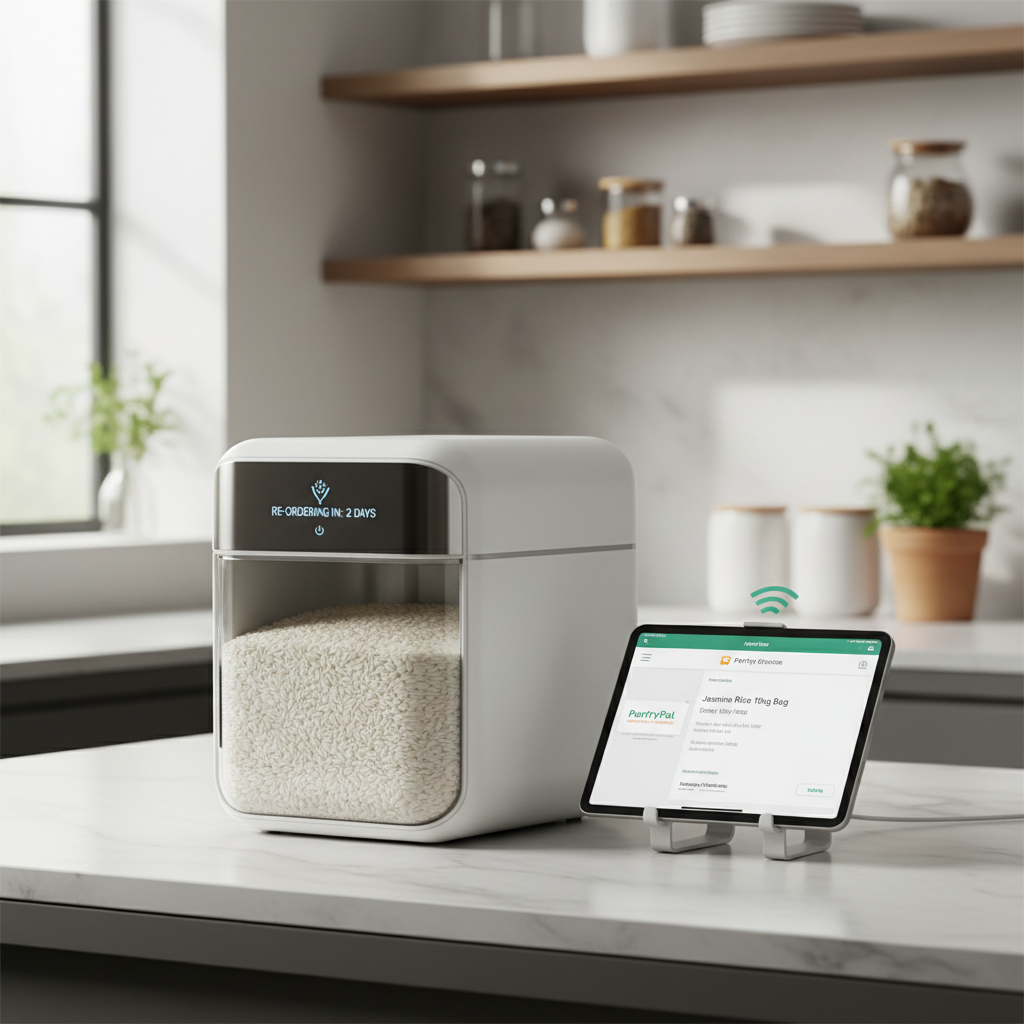
In the dynamic world of commerce and supply chain, efficient inventory management stands as a cornerstone of operational success. Businesses constantly grapple with balancing product availability, minimizing waste, and optimizing costs. Among the various strategies employed, First-In, First-Out (FIFO) rotation emerges as a fundamental principle, offering a clear, logical, and highly effective approach to managing goods. Understanding and meticulously applying FIFO is not merely a best practice; it’s a critical driver for profitability, customer satisfaction, and regulatory compliance across diverse industries. This guide delves into the essence of FIFO, exploring why its meticulous implementation is paramount in today’s competitive landscape.
What is FIFO (First In, First Out) Rotation?
FIFO, which stands for First-In, First-Out, is an inventory management and valuation method that assumes the first items purchased or produced are the first ones sold, used, or removed from inventory. At its core, the principle dictates that older stock should always be moved out before newer stock. This logical progression mirrors the natural flow of many products, particularly those with a limited shelf life, ensuring a continuous and orderly turnover of goods.
Implementing FIFO involves physically organizing inventory so that the items received earliest are the most accessible and prioritized for dispatch. For instance, in a warehouse, newly arrived goods would be placed behind existing stock of the same type, pushing the older items to the front. This methodical approach is foundational for effective stock rotation and is a standard operating procedure for countless businesses worldwide.
Why FIFO Rotation Matters: Key Benefits
The significance of FIFO rotation extends far beyond simple organization, delivering a multitude of tangible benefits that impact a business’s operational efficiency, financial health, and customer relationships.
Reducing Waste and Spoilage
|
Our Picks for the Best Rice dispenser in 2026
As an Amazon Associate I earn from qualifying purchases.
|
||
| Num | Product | Action |
|---|---|---|
| 1 | Lenwi 22-25 Lbs Rice Dispenser, Large Cereal Dry Food Storage Containers with Measuring Cup,BPA-Free Household for Kitchen Pantry Organization-Grey |

|
| 2 | Lifewit Rice Dispenser 25 Lbs(11.3kg), Rice Storage Container Sealed Moisture Proof with Measuring Cup for Kitchen Pantry Household, BPA-Free, 1 Pack Pink |
|
| 3 | Lifewit Rice Dispenser 25 Lbs(11.3kg), Rice Storage Container Sealed Moisture Proof with Measuring Cup for Kitchen Pantry Household, BPA-Free, 1 Pack Clear |
|
| 4 | Mity rain Rice Dispenser 20 Lbs with Moisture Absorbing Clay, Rice Storage Container with Measuring Cup, 12 L Cereal Containers Storage Airtight for Kitchen Pantry Organization |
|
| 5 | Rice Dispenser, Rice Storage Container with Measuring Cup for Kitchen Pantry Household, Dry Food Storage Containers Airtight, Sealed Moisture Proof, Cream White 11 Lbs |
|
| 6 | LUOKER Rice Dispenser,25 Lbs Rice Storage with Measuring Cup,White&Green Rice Container with One-Touch,Cereal Dispenser Storage with Lids for Rice, Corn,Soybean & Oatmeal,Airtight, Moisture Proof |
|
| 7 | Aroma Housewares 27lbs Large Rice Dispenser, 7.25 x 16.5 x 16.5 inches, White |
|
| 8 | Sooyee 22 Lbs Rice Dispenser with Measuring Cup,Large Food Storage Containers for Rice, Corn,Soybean & Oatmeal,Airtight, Moisture Proof |
|
| 9 | Rice Dispenser, Slim Rice Storage Container for Small Space, BPA-Free Clear Dry Food Dispenser Sealed Moisture Proof, Grain Storage Bucket for Kitchen Pantry Household (Green11Lbs) |
|
| 10 | Large Rice Dispenser 25Lbs, Cereal Dispenser Rice Container Food Storage Container with Measuring Cup, Cereal Containers Storage Kitchen Storage Household Rice Pet Food Holder (25LBS) |
|
One of the most immediate and impactful benefits of FIFO is its ability to drastically reduce waste, spoilage, and obsolescence. For industries dealing with perishable goods such as food, beverages, and pharmaceuticals, FIFO ensures that products are consumed or sold well within their use-by or best-before dates. This proactive approach prevents items from reaching their expiration point while still in storage, thereby eliminating financial losses associated with discarded stock. Similarly, for products susceptible to rapid obsolescence, like fashion apparel or electronics, FIFO ensures older models or seasonal items are moved out before they become completely outdated or unsellable, tying up valuable capital.
Ensuring Product Freshness and Quality
By consistently rotating stock, FIFO guarantees that customers receive products at their optimal freshness and quality. This is particularly vital in the food service industry, where serving fresh ingredients directly translates to higher customer satisfaction and brand reputation. When older stock is consistently prioritized, the overall quality of goods available for sale remains high, mitigating the risk of customers receiving subpar or compromised items.
Enhancing Food Safety and Compliance
In sectors where public health is paramount, such as food handling and pharmaceuticals, FIFO is a critical component of safety protocols. It significantly reduces the likelihood of serving or selling products that are past their safe consumption dates, thereby preventing foodborne illnesses and other health risks. Adherence to FIFO helps businesses meet stringent regulatory compliance standards and avoid costly penalties or damage to public trust. Many food safety regulations explicitly require effective stock rotation, making FIFO an indispensable tool.
Improving Inventory Accuracy and Control
Implementing a structured FIFO system inherently leads to better inventory visibility and accuracy. When inventory is consistently rotated and organized by age, tracking individual batches becomes more straightforward. This improved control helps businesses identify discrepancies between physical stock and digital records more quickly, enabling prompt adjustments. Enhanced accuracy supports more precise forecasting and ordering, preventing both overstocking and stockouts.
Optimizing Financial Reporting and Profitability
From a financial perspective, FIFO offers several advantages, especially in periods of inflation. Under FIFO, the cost of goods sold (COGS) is based on the older, typically cheaper, inventory. This often results in a lower COGS and, consequently, higher reported gross profits and net income on the financial statements. This alignment with actual physical flow also makes FIFO widely accepted under Generally Accepted Accounting Principles (GAAP) and International Financial Reporting Standards (IFRS), simplifying financial reporting and enhancing transparency for stakeholders.
Streamlining Operations and Storage Efficiency
A well-implemented FIFO system contributes to a more organized and efficient warehouse environment. With older products positioned for easy access, staff spend less time searching for items, reducing picking times and improving workflow. This methodical arrangement also allows for better utilization of storage space, as items are constantly moving in and out, preventing stagnation and reducing the accumulation of slow-moving or obsolete inventory.
Boosting Customer Satisfaction
Ultimately, the cumulative effect of these benefits is a significant boost in customer satisfaction. By consistently providing fresh, high-quality, and safe products, businesses build trust and loyalty. Customers appreciate knowing they are receiving the best possible version of a product, which directly contributes to repeat business and positive word-of-mouth.
“FIFO is not just an inventory method; it’s a commitment to quality and efficiency. By ensuring older products are used first, businesses safeguard freshness, reduce waste, and uphold their promise to customers.” – Dr. Eleanor Vance, Supply Chain Logistics Specialist
Common Inventory Management Systems Beyond FIFO
While FIFO is a widely adopted and highly effective method, it’s one of several inventory management systems, each with unique applications and implications. Understanding these alternatives helps clarify FIFO’s role and when it is the most appropriate choice.
-
FIFO (First-In, First-Out): As discussed, this method assumes that the inventory acquired first is the first to be sold or used. It is favored when dealing with perishable goods, items with expiration dates, or products subject to obsolescence. Its main advantages lie in minimizing waste, ensuring freshness, and often providing a more realistic representation of physical inventory flow.
-
FEFO (First-Expired, First-Out): This method prioritizes goods with the earliest expiration dates to be sold or used first, regardless of when they were received. FEFO is often considered a specialized variation of FIFO, specifically tailored for highly perishable items like fresh produce, dairy, or pharmaceuticals. For products where expiry is a more critical factor than the actual receipt date, FEFO offers a superior safeguard against spoilage and non-compliance.
-
LIFO (Last-In, First-Out): LIFO assumes that the last inventory items purchased are the first ones sold. From a physical inventory movement standpoint, LIFO is rarely practical for most businesses, especially those dealing with perishable or time-sensitive goods. Its primary application is in accounting, particularly in countries where it is permitted (unlike IFRS, which prohibits it). In inflationary environments, LIFO results in a higher COGS (as newer, more expensive inventory is sold first) and thus lower reported taxable income, offering potential tax advantages. However, it can lead to older, potentially obsolete stock accumulating in inventory.
Other less common methods include HIFO (Highest In, First Out) and LOFO (Lowest In, First Out), which are typically used for specific accounting or strategic purposes related to cost rather than physical flow. The choice among these methods largely depends on the nature of the products, industry regulations, and the specific financial goals of the business. For most businesses aiming for operational efficiency, waste reduction, and consistent product quality, FIFO or FEFO remains the preferred choice.
Key Considerations for Effective FIFO Implementation
Successful FIFO implementation requires careful planning and a holistic approach that integrates various operational aspects.
Product Type and Shelf Life
The type of product being managed is the primary determinant for FIFO’s strictness. For highly perishable goods, such as fresh produce, dairy, or medications, rigorous FIFO (or FEFO) is non-negotiable to prevent spoilage and ensure safety. For non-perishable items with long shelf lives, FIFO still prevents obsolescence and helps manage inventory value, though minor deviations might not carry immediate critical risks. Understanding the specific shelf life and degradation characteristics of each product category is crucial for tailoring the FIFO strategy.
Warehouse Layout and Storage Solutions
An optimized warehouse layout is fundamental to facilitating smooth FIFO rotation.
- Gravity flow racks, pallet flow systems, and drive-through racks are examples of storage solutions designed to naturally enforce FIFO, allowing new stock to be loaded from one end and older stock picked from the other.
- The physical arrangement should ensure that older items are consistently at the front or top for easy access, preventing them from being overlooked. A clear, intuitive layout reduces confusion and supports efficient movement of goods.
Technology Integration
Modern technology plays a pivotal role in streamlining and enforcing FIFO.
- Warehouse Management Systems (WMS) are essential for tracking inventory receipt dates, batch numbers, and expiration dates.
- Barcode scanning and RFID (Radio-Frequency Identification) technology automate the tracking process, drastically reducing manual errors and providing real-time inventory visibility. These systems can alert staff to aging stock, guide pickers to the oldest items, and automate inventory updates, ensuring compliance without constant manual oversight.
Staff Training and Standard Operating Procedures
Even the most sophisticated system is ineffective without properly trained personnel.
- All staff involved in receiving, storing, picking, and dispatching inventory must be thoroughly trained on FIFO principles and procedures. This includes understanding the importance of date-marking, proper placement of new stock, and the consequences of non-compliance.
- Clear, concise Standard Operating Procedures (SOPs) should be developed and readily available, outlining every step of the FIFO process. Regular refresher training ensures consistent adherence and addresses any evolving challenges.
Regular Auditing and Monitoring
FIFO is not a “set it and forget it” system. Continuous monitoring and regular audits are essential to ensure the system’s integrity and effectiveness.
- Periodic stock audits help verify that products are being rotated correctly and identify any instances of older stock being overlooked.
- Performance metrics related to waste, spoilage, and inventory turnover should be tracked and analyzed to pinpoint areas for improvement. This continuous feedback loop allows businesses to adapt and refine their FIFO implementation over time, maintaining optimal efficiency.
Practical Steps to Implement and Maintain FIFO Rotation Effectively
Implementing and sustaining an effective FIFO system involves a series of actionable steps that transform theoretical principles into practical operational routines.
-
Assess Current Inventory and Needs: Begin by thoroughly understanding your existing inventory. Categorize products by shelf life, susceptibility to obsolescence, and volume. This initial assessment will help identify which items require the strictest FIFO adherence and inform your storage and tracking strategy.
-
Design an Optimized Storage System:
- Prioritize Accessibility: Arrange shelving or racking to make older items easily reachable. This might mean placing new stock behind old stock on a shelf or utilizing gravity-fed systems.
- Visual Cues: Employ clear labeling, color-coding, or date stickers on products and storage locations to visually distinguish older inventory.
- Flow Optimization: Design your warehouse layout to promote a natural “first in, first out” flow, minimizing unnecessary movement and potential for error.
-
Implement Robust Tracking Systems:
- Manual Tracking (Basic): For smaller operations, use physical inventory cards or spreadsheets to record receipt dates and quantities.
- Automated Tracking (Advanced): Invest in a Warehouse Management System (WMS) with barcode or RFID capabilities. These systems automatically record entry dates, track inventory movement, and can generate alerts for items nearing expiration. This significantly reduces human error and provides real-time data.
-
Develop Clear Training Programs:
- Comprehensive Training: Educate all staff involved in inventory handling (receiving, stocking, picking, shipping) on the FIFO principle, its importance, and the specific procedures for your operation.
- Hands-on Practice: Provide practical training sessions to ensure employees understand how to correctly identify, place, and retrieve items according to FIFO.
- Reinforce Understanding: Regularly communicate the impact of FIFO on product quality, safety, and profitability to foster a culture of compliance.
-
Conduct Consistent Audits and Adjustments:
- Scheduled Audits: Perform regular, planned audits (daily, weekly, monthly, depending on inventory turnover) to check for FIFO adherence. Look for items out of rotation or expired products.
- Spot Checks: Conduct impromptu inspections to catch deviations and reinforce best practices.
- Feedback and Correction: Use audit results to provide targeted feedback to staff, update procedures, and make necessary adjustments to your storage system or training programs. Continuous improvement is key.
Overcoming Challenges in FIFO Application
While FIFO offers substantial benefits, its implementation can present certain challenges, particularly related to human error, physical space, and the need for consistent discipline. Addressing these proactively ensures a smoother, more effective system.
- Stock Rotation Issues: A common challenge is when older stock gets “lost” or pushed to inaccessible areas, leading to newer stock being picked first. This can be mitigated by designing warehouse layouts that physically enforce FIFO (e.g., one-way flow racks), using clear visual cues like colored labels for different weeks or months of arrival, and regularly auditing stock to ensure proper rotation.
- Manual Errors: In manual systems, human error can lead to incorrect dating, misplacement of stock, or overlooking older items. Automating tracking with WMS, barcode scanning, or RFID technology significantly reduces these errors. Furthermore, comprehensive and continuous staff training that emphasizes attention to detail and the critical importance of FIFO can minimize mistakes.
- Space Constraints: Implementing FIFO effectively often requires a certain amount of space to allow for new stock to be placed behind old. In tightly packed warehouses, this can be difficult. Solutions include optimizing vertical space with multi-tiered shelving, utilizing mobile racking systems, or carefully planning receiving and picking zones to create efficient flow paths even in limited areas.
- Maintaining Adherence Over Time: Initial enthusiasm for a new system can wane, leading to lapses in FIFO adherence. Continuous reinforcement through regular training, performance monitoring, and leadership commitment is vital. Making FIFO a core part of operational culture, where its benefits are clearly understood by all employees, ensures long-term success.
Conclusion
The First-In, First-Out (FIFO) inventory rotation method is far more than a logistical preference; it is a fundamental strategy for operational excellence and sustained success in numerous industries. By systematically prioritizing the movement of older stock, businesses can dramatically reduce waste, guarantee product freshness and safety, and optimize financial reporting. These benefits collectively contribute to enhanced customer satisfaction and a stronger market position.
While challenges in implementation, such as layout constraints or manual errors, exist, they can be effectively overcome through thoughtful planning, the integration of modern technology, and unwavering commitment to staff training and regular audits. Embracing FIFO is an investment in efficiency, quality, and ultimately, profitability.
Is your current inventory system truly optimized for the future, or are you leaving valuable assets to age unnecessarily?