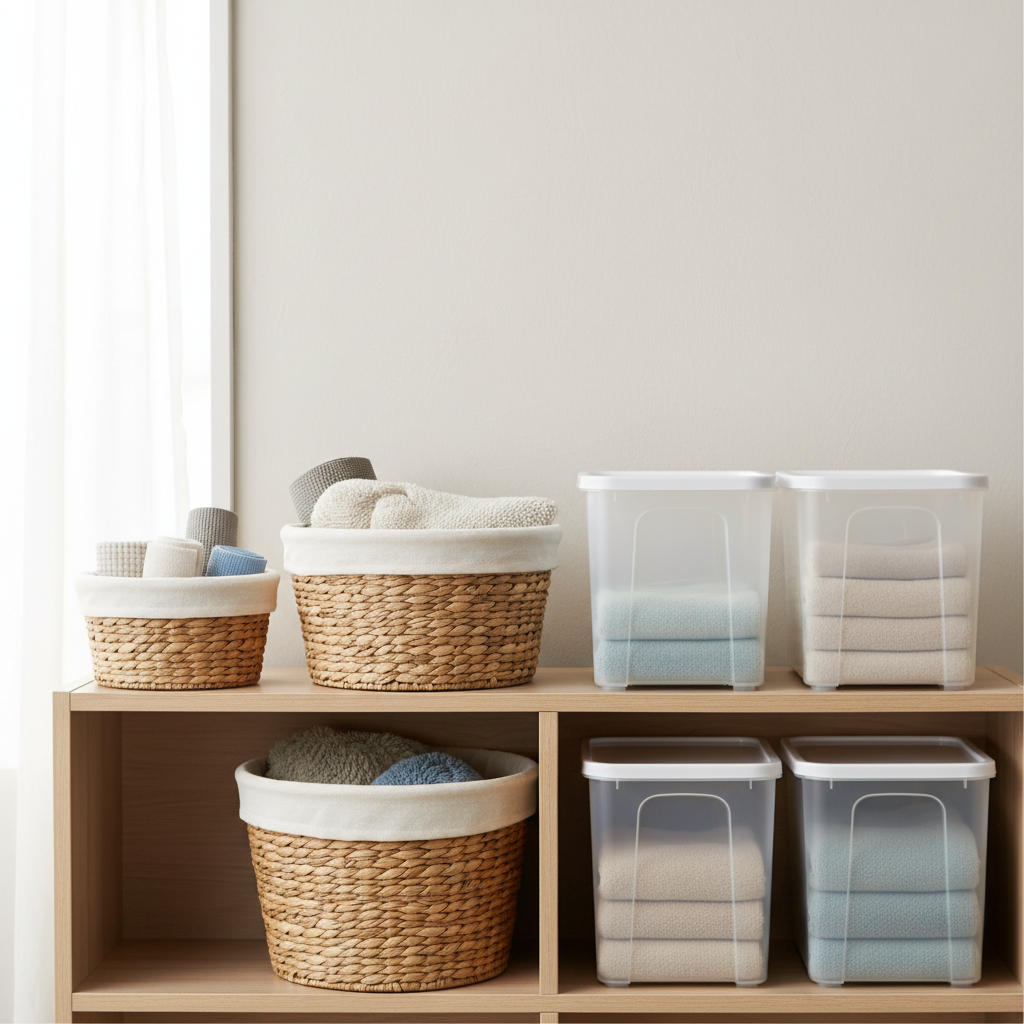
For every home cook, the quest for a perfectly organized pantry and fresh ingredients is a never-ending journey. Among the most fundamental staples in many kitchens, rice often presents a storage challenge. Keeping it fresh, free from pests, and easily accessible is crucial for culinary efficiency. This is where a dedicated rice storage solution, such as a simple plastic rice box, becomes invaluable. This review delves into the characteristics of such a product, epitomized by the “Shinwa Rice Box,” highlighting why these straightforward containers are often the smartest choice for everyday use.
Choosing the Perfect Rice Storage Box: A Detailed Guide 2024
Common Types of Rice Storage Boxes
When it comes to storing rice, the market offers a spectrum of solutions, from basic bags to sophisticated electronic dispensers. Simple plastic storage boxes like the Shinwa Rice Box fall into the category of practical, no-frills containers designed for everyday efficiency. These typically feature a straightforward design: a main container, a lid, and often a measuring cup.
- Basic Plastic Containers: These are simple bins with snap-on or lift-off lids, prioritizing affordability and easy access. Their main advantage is cost-effectiveness and versatility for various dry goods.
- Plastic Containers with Dispensing Mechanisms: Some plastic boxes incorporate a lever or push-button system for controlled dispensing, often releasing a pre-measured amount of rice directly into a measuring cup. This adds convenience and reduces spills.
- Transparent vs. Opaque: Many simple plastic options are transparent, allowing for quick checks on rice levels, while opaque versions may offer better light protection.
|
Our Picks for the Best Rice dispenser in 2026
As an Amazon Associate I earn from qualifying purchases.
|
||
| Num | Product | Action |
|---|---|---|
| 1 | Lifewit Rice Dispenser 25 Lbs(11.3kg), Rice Storage Container Sealed Moisture Proof with Measuring Cup for Kitchen Pantry Household, BPA-Free, 1 Pack Clear |

|
| 2 | LUOKER Rice Dispenser,25 Lbs Rice Storage with Measuring Cup,White&Green Rice Container with One-Touch,Cereal Dispenser Storage with Lids for Rice, Corn,Soybean & Oatmeal,Airtight, Moisture Proof |
|
| 3 | Lenwi 22-25 Lbs Rice Dispenser, Large Cereal Dry Food Storage Containers with Measuring Cup,BPA-Free Household for Kitchen Pantry Organization-Grey |
|
| 4 | Aroma Housewares 27lbs Large Rice Dispenser, 7.25 x 16.5 x 16.5 inches, White |
|
| 5 | Rice Dispenser, Rice Storage Container with Measuring Cup for Kitchen Pantry Household, Dry Food Storage Containers Airtight, Sealed Moisture Proof, Cream White 11 Lbs |
|
| 6 | Large Rice Dispenser 25Lbs, Cereal Dispenser Rice Container Food Storage Container with Measuring Cup, Cereal Containers Storage Kitchen Storage Household Rice Pet Food Holder (25LBS) |
|
| 7 | Sooyee 22 Lbs Rice Dispenser with Measuring Cup,Large Food Storage Containers for Rice, Corn,Soybean & Oatmeal,Airtight, Moisture Proof |
|
| 8 | Lifewit Rice Dispenser 25 Lbs(11.3kg), Rice Storage Container Sealed Moisture Proof with Measuring Cup for Kitchen Pantry Household, BPA-Free, 1 Pack Pink |
|
| 9 | Rice Dispenser, Slim Rice Storage Container for Small Space, BPA-Free Clear Dry Food Dispenser Sealed Moisture Proof, Grain Storage Bucket for Kitchen Pantry Household (Green11Lbs) |
|
| 10 | Mity rain Rice Dispenser 20 Lbs with Moisture Absorbing Clay, Rice Storage Container with Measuring Cup, 12 L Cereal Containers Storage Airtight for Kitchen Pantry Organization |
|
The key advantage of these simple plastic designs is their balance of functionality and ease of use, making them a popular choice for busy households.
Important Factors When Buying a Rice Storage Box
Selecting the right rice storage box involves considering several practical aspects that impact convenience, food safety, and longevity.
-
Material:
- Plastic (Food-Grade, BPA-Free): Most simple rice boxes are made from durable plastic. Look for labels indicating “food-grade” and “BPA-free” to ensure safety. Pros: Plastic is typically affordable, lightweight, resistant to cracking, and very easy to clean. It’s suitable for frequent use and can withstand accidental drops. Cons: Compared to traditional wooden containers, plastic is less breathable and may, over time, retain odors if not cleaned thoroughly. Unlike glass or stainless steel, some users might have concerns about long-term food contact, though BPA-free options largely address this.
- Other Materials: While this review focuses on plastic, it’s worth noting alternatives. Stainless steel containers are highly durable, hygienic, and don’t retain odors, but are often heavier and opaque. Glass offers excellent visibility and is inert, but is fragile and heavier. For practical, daily use, a well-made plastic container often strikes the best balance.
-
Capacity:
- Determining the right capacity depends on your household’s size and rice consumption. Common sizes range from small 2kg (4.4 lbs) containers suitable for individuals or couples to larger 10kg (22 lbs) or even 11.3kg (25 lbs) options for larger families or bulk buyers.
- Choosing an appropriate size prevents frequent refilling for high-consumption households or ensures rice doesn’t sit too long in a too-large container for low-consumption homes.
-
Design and Features:
- Airtight Seal and Moisture-Proofing: This is paramount. A tight-fitting lid with a silicone seal is essential to keep rice fresh, prevent moisture absorption, and deter pests like weevils or ants. Many containers are specifically designed with these protective features.
- Insect Prevention: Beyond airtightness, some designs incorporate specific features or spaces for desiccants or natural insect repellents like bay leaves, enhancing pest control.
- Measuring Cup/Mechanism: A common and highly appreciated feature is an integrated measuring cup or a built-in dispenser that measures out servings, making cooking prep quick and spill-free.
- Visibility: Transparent containers allow you to monitor rice levels at a glance, preventing unexpected shortages.
- Ease of Use and Cleaning: The container should be easy to open, close, and clean. Wide openings for refilling and smooth interiors for washing are beneficial.
- Stackability and Compactness: For smaller kitchens, a compact design or stackable options help maximize pantry space.
-
Brand and Price:
- Simple plastic rice storage boxes are generally affordable, offering excellent value for money. Prices can vary based on capacity, brand reputation, and additional features.
- While specific Shinwa Rice Box consumer reviews are not widely available, the principles apply. Prioritizing reputable manufacturers that adhere to food safety standards (e.g., BPA-free certifications) ensures you get a safe and durable product. Many generic brands offer reliable plastic storage solutions that perform exceptionally well.
Comparing Popular Simple Plastic Rice Storage Boxes
Instead of comparing specific models of a “Shinwa Rice Box” given the generalized nature of this product category, let’s consider a comparison of the features and advantages found in the best simple plastic rice storage boxes on the market. Consumers often look for:
| Feature/Attribute | Best Options Offer | What to Look For |
|---|---|---|
| Material Quality | Food-grade, BPA-free, durable plastic | Sturdy construction, no flimsy parts |
| Airtightness | Strong silicone seals, secure latches | Ensures freshness and pest prevention |
| Capacity Options | Available in 5kg, 10kg, 15kg+ | Match to household consumption |
| Dispensing Ease | Smooth lever or push-button mechanism | Minimizes spills, allows precise measurement |
| Measuring Tool | Integrated or accompanying measuring cup | Convenient for portion control |
| Visibility | Clear body (transparent plastic) | Easy to monitor rice levels |
| Cleaning | Wide openings, smooth interior surfaces | Simple handwashing, some are dishwasher-safe |
| Portability | Ergonomic handles, compact footprint | Easy to move and store in the pantry |
For instance, many highly-rated plastic rice dispensers offer a one-touch dispense mechanism and come with a measuring cup, made from BPA-free materials, proving to be an Amazon favorite with thousands of positive reviews. Others feature airtight seals and insect protection, keeping moisture at bay and preventing pests, proving super handy for everyday use.
Guide to Buying a Rice Storage Box
Purchasing a rice storage box is a small investment that can significantly impact your kitchen’s organization and the freshness of your staples.
- Research Your Needs: First, consider your family’s rice consumption and available pantry space. Do you buy in bulk, or smaller bags? This will dictate the ideal capacity.
- Prioritize Food Safety: Always look for “food-grade” and “BPA-free” plastic. This ensures that no harmful chemicals leach into your food, particularly over long storage periods.
- Check for an Airtight Seal: This is non-negotiable for preserving freshness and preventing pest infestation. Examine the lid mechanism and look for silicone gaskets that ensure a tight seal.
- Read Reviews: While specific Shinwa Rice Box reviews may be elusive for consumer models, general reviews for “plastic rice containers” or “rice dispensers” can offer insights into common issues like durability, ease of cleaning, or dispensing accuracy.
- Inspect Quality: If purchasing in person, check for sturdy construction, smooth edges, and a lid that fits snugly and securely.
- Consider Warranty/Return Policy: A good warranty or return policy provides peace of mind in case the product doesn’t meet expectations.
Tips for Using and Maintaining Your Rice Storage Box
Proper use and maintenance will extend the life of your Shinwa Rice Box (or any plastic rice storage solution) and ensure your rice remains in optimal condition.
- Regular Cleaning: Wash your rice box thoroughly with warm, soapy water before its first use and regularly thereafter, especially when refilling. This prevents the buildup of old rice dust, which can attract pests and impart stale odors.
- Dry Completely: Ensure the container is completely dry before adding new rice. Any moisture can lead to mold growth and spoilage.
- Store in a Cool, Dry Place: Plastic containers perform best when stored away from direct sunlight and heat sources, which can degrade the plastic and affect rice quality. A pantry or cupboard is ideal.
- Proper Sealing: Always ensure the lid is securely fastened to maintain the airtight seal. Double-check latches or press down firmly on snap-on lids.
- “First In, First Out” (FIFO): If you’re adding new rice to an existing batch, try to use the older rice first. Some dispensers are designed to automatically dispense the oldest rice first to avoid waste.
“A well-designed plastic rice box isn’t just about storage; it’s about safeguarding the freshness and quality of a kitchen staple, making daily cooking more streamlined.” – Admin, reviewaol.com, Kitchen Appliance Technician
Conclusion
For households seeking a practical, efficient, and budget-friendly solution for rice storage, a simple plastic rice box like the Shinwa Rice Box is an excellent choice. By prioritizing features such as food-grade, BPA-free plastic, an airtight and moisture-proof seal, and a convenient dispensing mechanism, you can ensure your rice remains fresh, protected from pests, and always ready for your next meal. While “Shinwa Rice Box” may refer to a general category of reliable plastic rice containers, its essence lies in providing consistent performance and peace of mind in the kitchen. Invest in one, and experience the simplicity and satisfaction of perfectly stored rice. What are your primary concerns when storing rice in your home?
Frequently Asked Questions
Is plastic safe for long-term rice storage?
Yes, food-grade, BPA-free plastic containers are generally safe for long-term rice storage. The most important factor is an airtight seal to prevent moisture, air, and pests from entering, which these plastics effectively provide without leaching harmful chemicals.
How often should I clean my rice storage box?
It’s recommended to clean your rice box every time you refill it or at least every few months, even if not completely empty. This prevents the accumulation of fine rice dust and ensures optimal hygiene and freshness.
What capacity rice storage box do I need?
The ideal capacity depends on your household’s size and how frequently you cook rice. A 5kg (11 lbs) container is often sufficient for small families, while larger families or those buying in bulk might prefer a 10kg to 15kg (22-33 lbs) capacity.
Can I store other grains in a rice storage box?
Absolutely! Most simple plastic rice storage boxes are versatile and can be used to store other dry goods like flour, sugar, cereals, oats, beans, or even pet food, provided they have an effective airtight seal.