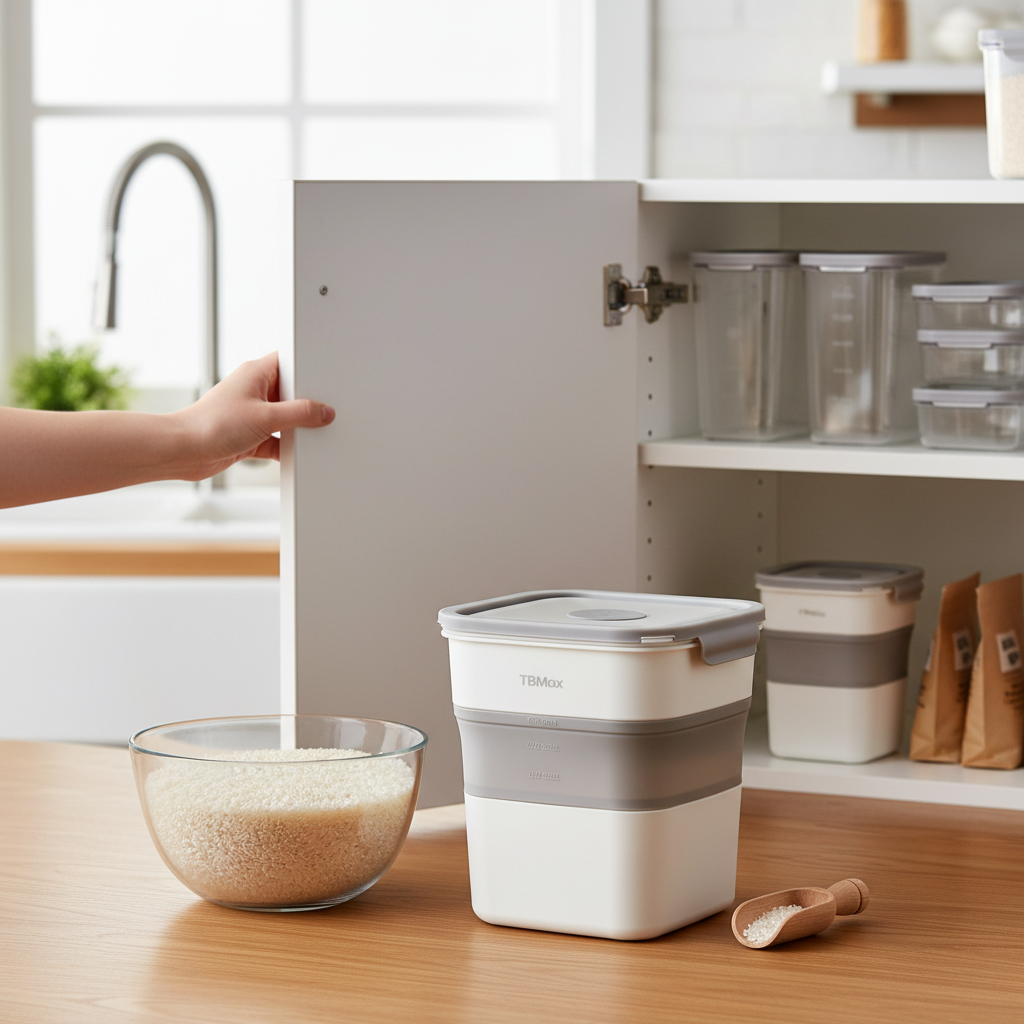
For many households, rice is more than just a grain; it’s a culinary cornerstone, a comforting staple that graces countless meals. Yet, storing rice effectively can often be a challenge. Traditional methods often leave it vulnerable to pests, moisture, and the gradual loss of freshness, leading to waste and disappointment. This common kitchen dilemma has fueled a significant trend: the rise of vacuum-sealed rice containers. These innovative solutions are transforming how we store and preserve our precious grains, ensuring every scoop is as perfect as the first. This guide will explore the compelling reasons behind this trend and help you understand why a vacuum-sealed container is an indispensable upgrade for your kitchen.
The Core Benefits: Why Vacuum Sealing Reigns Supreme
The primary appeal of vacuum-sealed rice containers lies in their superior ability to protect rice from its greatest enemies: air, moisture, and pests. By creating an airtight, oxygen-deprived environment, these containers dramatically extend the shelf life of rice while preserving its inherent quality.
Extended Shelf Life and Unwavering Freshness
|
Our Picks for the Best Rice dispenser in 2026
As an Amazon Associate I earn from qualifying purchases.
|
||
| Num | Product | Action |
|---|---|---|
| 1 | Large Rice Dispenser 25Lbs, Cereal Dispenser Rice Container Food Storage Container with Measuring Cup, Cereal Containers Storage Kitchen Storage Household Rice Pet Food Holder (25LBS) |

|
| 2 | Lifewit Rice Dispenser 25 Lbs(11.3kg), Rice Storage Container Sealed Moisture Proof with Measuring Cup for Kitchen Pantry Household, BPA-Free, 1 Pack Pink |
|
| 3 | Lenwi 22-25 Lbs Rice Dispenser, Large Cereal Dry Food Storage Containers with Measuring Cup,BPA-Free Household for Kitchen Pantry Organization-Grey |
|
| 4 | LUOKER Rice Dispenser,25 Lbs Rice Storage with Measuring Cup,White&Green Rice Container with One-Touch,Cereal Dispenser Storage with Lids for Rice, Corn,Soybean & Oatmeal,Airtight, Moisture Proof |
|
| 5 | Mity rain Rice Dispenser 20 Lbs with Moisture Absorbing Clay, Rice Storage Container with Measuring Cup, 12 L Cereal Containers Storage Airtight for Kitchen Pantry Organization |
|
| 6 | Aroma Housewares 27lbs Large Rice Dispenser, 7.25 x 16.5 x 16.5 inches, White |
|
| 7 | Lifewit Rice Dispenser 25 Lbs(11.3kg), Rice Storage Container Sealed Moisture Proof with Measuring Cup for Kitchen Pantry Household, BPA-Free, 1 Pack Clear |
|
| 8 | Rice Dispenser, Slim Rice Storage Container for Small Space, BPA-Free Clear Dry Food Dispenser Sealed Moisture Proof, Grain Storage Bucket for Kitchen Pantry Household (Green11Lbs) |
|
| 9 | Rice Dispenser, Rice Storage Container with Measuring Cup for Kitchen Pantry Household, Dry Food Storage Containers Airtight, Sealed Moisture Proof, Cream White 11 Lbs |
|
| 10 | Sooyee 22 Lbs Rice Dispenser with Measuring Cup,Large Food Storage Containers for Rice, Corn,Soybean & Oatmeal,Airtight, Moisture Proof |
|
Oxygen is the primary culprit in food spoilage. When rice is exposed to air, it undergoes oxidation, a chemical process that can lead to rancidity, especially in brown rice with its natural oils. This exposure also degrades the rice’s delicate aroma and flavor. Vacuum sealing removes this oxygen, halting the oxidation process and preventing the growth of spoilage-causing bacteria, molds, and fungi. This means your white rice, which might typically last 6-12 months, can remain fresh and flavorful for up to 3-5 years, and even longer in some cases. The result is rice that tastes noticeably fresher, cooks fluffier, and retains its natural appeal for significantly extended periods.
Impenetrable Protection Against Pests and Moisture
Few things are as frustrating as discovering pantry pests like weevils or moths in your rice supply. Traditional bags and loosely sealed containers offer little defense against these tiny invaders. Vacuum-sealed containers, however, create a robust, impenetrable barrier that pests simply cannot breach. Beyond pests, moisture is another significant threat. Humidity can lead to clumping, accelerate mold growth, and degrade the rice’s texture. A vacuum seal keeps rice bone-dry, eliminating these moisture-related issues and ensuring your grains remain free-flowing and pristine.
Odor Absorption Prevention
Rice is a highly absorbent grain, capable of picking up ambient odors from its surroundings in your pantry. Storing it near strong-smelling spices or other foods can subtly alter its flavor over time. Vacuum-sealed containers isolate your rice, preventing it from absorbing any unwanted odors or flavors, thereby preserving its pure, natural taste. This ensures that when you cook your rice, it tastes exactly as it should, unadulterated by other pantry items.
Beyond Preservation: Practical Advantages of Vacuum Sealed Storage
While preservation is paramount, vacuum-sealed rice containers offer several other practical benefits that enhance kitchen organization and efficiency. These advantages contribute to a more streamlined and secure food storage system.
Space Optimization for a Tidy Pantry
Loose bags of rice can be cumbersome, take up excessive space, and make your pantry look cluttered. Vacuum sealing, particularly with certain container designs or when using vacuum bags, compacts the rice, significantly reducing its overall volume. This space efficiency is a game-changer for those buying in bulk or with limited pantry space. Imagine neatly stacked containers instead of bulging, half-empty bags—a truly organized kitchen is within reach.
Enhanced Food Safety and Peace of Mind
In an era where food waste is a growing concern, investing in vacuum-sealed storage is a proactive step towards sustainability. By extending the usability of your rice, you reduce the likelihood of it spoiling and needing to be discarded. This not only saves you money but also contributes to a more mindful approach to food consumption. Knowing your rice is safely stored, free from contaminants and deterioration, provides invaluable peace of mind, especially for families who prioritize healthy and safe eating.
Versatility in Storage Options
The market for vacuum-sealed rice containers offers a diverse range of options, catering to various needs and preferences. From rigid, durable plastic or glass containers with integrated pumps to more flexible vacuum seal bags that work with external sealing machines, there’s a solution for every kitchen. Some specialized rice dispensers even incorporate vacuum-sealing technology, offering both controlled dispensing and extended freshness. This versatility means you can choose a system that perfectly fits your lifestyle, whether you prefer daily access or long-term bulk storage.
Choosing the Right Vacuum Sealed Rice Container
Selecting the ideal vacuum-sealed rice container involves considering several factors beyond just the sealing mechanism. The right choice will depend on your specific needs, kitchen aesthetics, and long-term storage goals.
Material Matters: Safety and Durability
The material of your rice container is crucial for both food safety and longevity.
- BPA-Free Plastic: Often lightweight, durable, and affordable, making it a popular choice. Ensure it is food-grade and explicitly BPA-free to avoid chemical leaching.
- Glass: A non-porous and non-reactive option that won’t absorb odors or stains. It offers excellent visibility of contents but is heavier and more fragile.
- Stainless Steel: Highly durable, rust-resistant, and aesthetically pleasing. Stainless steel containers are excellent for long-term storage but typically opaque, requiring labels.
“When it comes to food storage, always prioritize food-grade materials. BPA-free plastics, glass, and stainless steel are excellent choices for vacuum-sealed rice containers, ensuring your food stays safe and free from contaminants.” – Dr. Anya Sharma, Food Safety Expert
Capacity and Design: Tailored to Your Household
Consider your family’s rice consumption and available pantry space.
- Capacity: Containers range from small (e.g., 5kg) for smaller families or specialty grains to large (e.g., 15kg or more) for bulk buyers. Choose a size that matches your purchasing habits and keeps the rice fresh without frequent refills or prolonged exposure to air.
- Design and Features: Look for designs that are easy to clean, stackable for efficient storage, and potentially include features like automatic dispensing or measurement markings. A transparent design can be helpful for monitoring rice levels.
Vacuum Mechanism: Manual vs. Automatic
The method of creating the vacuum seal can vary:
- Manual Hand Pumps: Common for rigid containers, requiring manual effort to remove air. They are simple, portable, and typically more affordable.
- Integrated Electric Pumps: Some advanced containers feature built-in electric pumps for effortless, one-touch vacuum sealing. These offer convenience but come at a higher price point.
- External Vacuum Sealers: If you prefer vacuum bags or jars with specific attachments, an external vacuum sealer machine will be necessary. These are versatile for various food items but require a dedicated appliance.
Tips for Maximizing Your Vacuum Sealed Rice Storage
Once you’ve chosen your container, a few best practices will ensure you get the most out of your vacuum-sealed rice storage system. Proper care and usage are key to maintaining freshness and longevity.
- Thorough Cleaning and Drying: Before storing rice, ensure your container is impeccably clean and completely dry. Any residual moisture can undermine the vacuum seal and promote spoilage.
- Store in a Cool, Dark Place: While vacuum sealing offers significant protection, storing your rice in a cool, dark pantry or cupboard away from direct sunlight and heat will further extend its shelf life and preserve its quality.
- Monitor and Re-seal: If using a container with a reusable vacuum seal, periodically check the seal’s integrity. If you notice any air has seeped in, simply re-vacuum the container to restore its protective environment.
- Avoid Overfilling: Do not overfill your container, especially if it uses a vacuum pump. Leave adequate headspace to allow the vacuum mechanism to work effectively and create a strong, lasting seal.
Conclusion
The growing trend of vacuum-sealed rice containers is a testament to their undeniable advantages in preserving freshness, protecting against pests, and optimizing pantry space. By understanding the science behind vacuum sealing and carefully selecting the right container, you can transform your rice storage from a potential hassle into a seamless, efficient, and cost-saving practice. Investing in this technology ensures that your rice remains a delicious, safe, and readily available staple for countless meals to come. Isn’t it time you experienced the difference a truly airtight seal can make for your kitchen?
Frequently Asked Questions
How long does vacuum-sealed rice last?
Vacuum-sealed white rice can last for an impressive 3-5 years or even longer when stored correctly in a cool, dark place. This is significantly longer than the 6-12 months for conventionally stored rice, making it an excellent method for long-term preservation.
What type of rice benefits most from vacuum sealing?
While all types of rice benefit, brown rice, with its higher oil content, is particularly susceptible to rancidity from oxygen exposure. Vacuum sealing dramatically extends its freshness by preventing oxidation, preserving its nutritional value and flavor far more effectively than traditional methods.
What materials are best for vacuum-sealed rice containers?
The best materials are food-grade and durable, such as BPA-free plastic, glass, and stainless steel. Each offers unique benefits, like affordability (plastic), visibility (glass), or extreme durability (stainless steel), allowing you to choose based on your priorities and budget.
Do vacuum-sealed containers prevent rice weevils?
Yes, absolutely. One of the major advantages of vacuum-sealed containers is their airtight barrier, which completely prevents rice weevils, moths, and other pantry pests from accessing your rice, keeping your grains clean and infestation-free.
Can I vacuum seal cooked rice?
While this article focuses on uncooked rice containers, vacuum sealing can also be used for cooked rice, typically in bags or specific containers. However, cooked rice has a much shorter shelf life even when sealed and should be refrigerated or frozen for safe consumption.