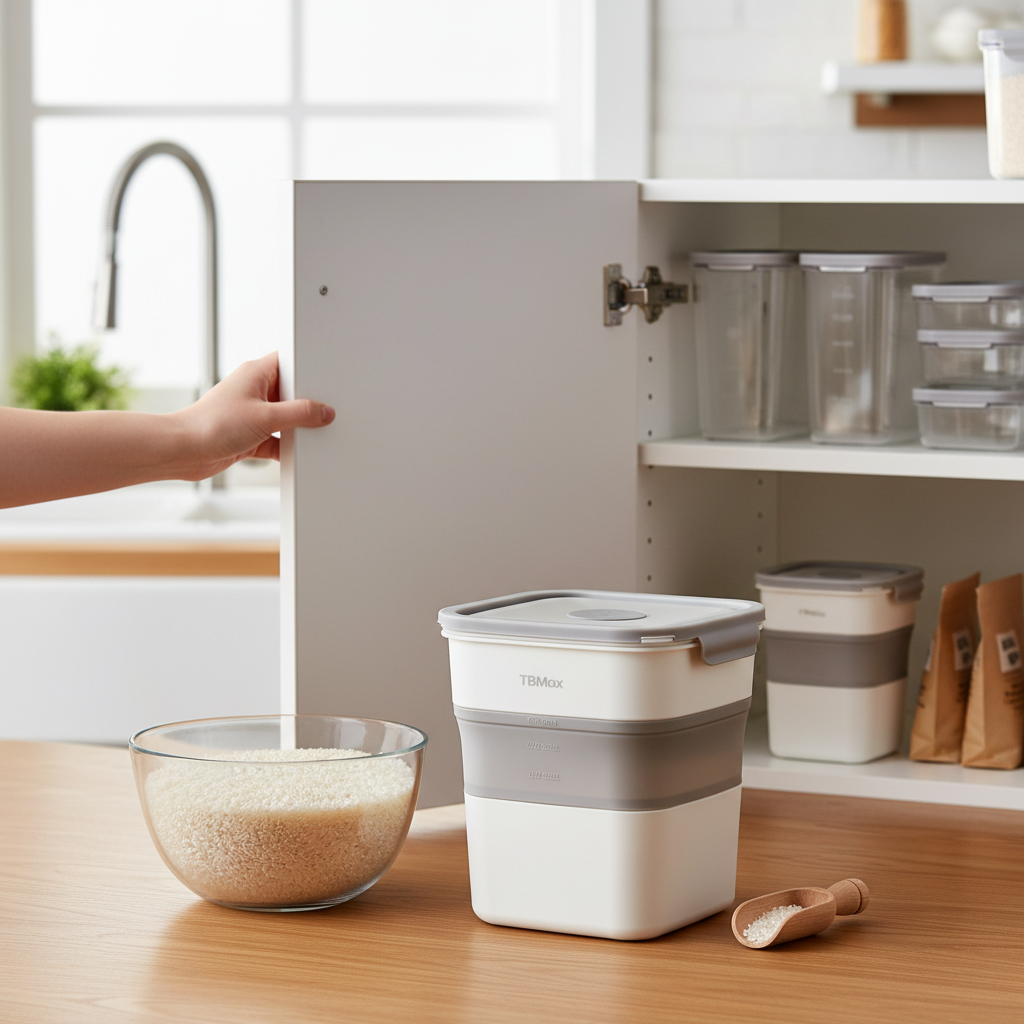
Basmati rice, with its delicate aroma, distinct flavor, and long, slender grains, is a prized staple in kitchens worldwide. However, preserving these unique qualities requires more than just keeping it in its original bag. Exposure to air, moisture, pests, and even light can quickly diminish its freshness and aromatic profile. This is where a dedicated rice dispenser becomes an invaluable tool, offering a practical and hygienic solution to maintain the integrity of your Basmati.
Understanding Basmati Rice and Its Unique Storage Needs
Basmati rice is renowned for its elongated grains and a signature nutty fragrance, largely attributed to a compound called 2-acetyl-1-pyrroline (2-AP). This delicate aroma, along with its distinct texture, can be easily compromised by improper storage. The primary enemies of Basmati rice are pests, excessive heat, high humidity, and prolonged exposure to air and light. Moisture, in particular, can lead to clumping, mold growth, and a stale taste, while pests like weevils can quickly infest an entire supply. Storing Basmati in a controlled environment ensures that each grain retains its individual integrity, preventing breakage and preserving that cherished aroma and flavor until it reaches your plate. Practicing a “First In, First Out” (FIFO) method is also crucial to ensure you’re always using the freshest grains, which many modern rice dispensers are designed to facilitate automatically.
Types of Rice Dispensers for Optimal Storage
Rice dispensers come in various designs, each offering distinct advantages for different kitchen needs and preferences. Understanding the common types can help you pinpoint the perfect match for your Basmati long grain rice.
Manual/Mechanical Rice Dispensers
These dispensers typically operate using a push-button, lever, or gravity-fed mechanism. They allow you to manually control the amount of rice dispensed.
- Pros: Offers flexibility in measuring, as you can dispense precisely how much you need into your own measuring cup. Often simpler in design, which can make them durable and less prone to electronic malfunctions. Many feature a “First In, First Out” (FIFO) design, ensuring older rice is used before newer additions.
- Cons: Requires manual effort. Some designs might not be as precise in their measurements without an external measuring cup. The dispensing mechanism needs to be robust enough not to break the long, delicate Basmati grains.
|
Our Picks for the Best Rice dispenser in 2026
As an Amazon Associate I earn from qualifying purchases.
|
||
| Num | Product | Action |
|---|---|---|
| 1 | Rice Dispenser, Rice Storage Container with Measuring Cup for Kitchen Pantry Household, Dry Food Storage Containers Airtight, Sealed Moisture Proof, Cream White 11 Lbs |

|
| 2 | Mity rain Rice Dispenser 20 Lbs with Moisture Absorbing Clay, Rice Storage Container with Measuring Cup, 12 L Cereal Containers Storage Airtight for Kitchen Pantry Organization |
|
| 3 | Sooyee 22 Lbs Rice Dispenser with Measuring Cup,Large Food Storage Containers for Rice, Corn,Soybean & Oatmeal,Airtight, Moisture Proof |
|
| 4 | Lifewit Rice Dispenser 25 Lbs(11.3kg), Rice Storage Container Sealed Moisture Proof with Measuring Cup for Kitchen Pantry Household, BPA-Free, 1 Pack Clear |
|
| 5 | Large Rice Dispenser 25Lbs, Cereal Dispenser Rice Container Food Storage Container with Measuring Cup, Cereal Containers Storage Kitchen Storage Household Rice Pet Food Holder (25LBS) |
|
| 6 | Aroma Housewares 27lbs Large Rice Dispenser, 7.25 x 16.5 x 16.5 inches, White |
|
| 7 | LUOKER Rice Dispenser,25 Lbs Rice Storage with Measuring Cup,White&Green Rice Container with One-Touch,Cereal Dispenser Storage with Lids for Rice, Corn,Soybean & Oatmeal,Airtight, Moisture Proof |
|
| 8 | Lifewit Rice Dispenser 25 Lbs(11.3kg), Rice Storage Container Sealed Moisture Proof with Measuring Cup for Kitchen Pantry Household, BPA-Free, 1 Pack Pink |
|
| 9 | Lenwi 22-25 Lbs Rice Dispenser, Large Cereal Dry Food Storage Containers with Measuring Cup,BPA-Free Household for Kitchen Pantry Organization-Grey |
|
| 10 | Rice Dispenser, Slim Rice Storage Container for Small Space, BPA-Free Clear Dry Food Dispenser Sealed Moisture Proof, Grain Storage Bucket for Kitchen Pantry Household (Green11Lbs) |
|
Automatic/Electronic Rice Dispensers
These models are designed for ultimate convenience, dispensing a pre-set amount of rice (often one cup) with a single press of a button.
- Pros: Highly convenient for quick and consistent meal prep, especially if you regularly cook standard portions. Minimizes contact with rice, enhancing hygiene.
- Cons: Less flexible for odd measurements; you might have to dispense extra and return it, or deal with smaller portions. Can be more complex, potentially leading to more points of failure. The dispensing mechanism must be gentle to avoid breaking Basmati’s long grains.
Key Factors When Choosing a Rice Dispenser for Basmati
Selecting the ideal rice dispenser for Basmati long grain rice involves careful consideration of several factors to ensure optimal freshness, convenience, and protection.
Material
The material of your rice dispenser plays a significant role in preserving your Basmati.
- BPA-Free Food-Grade Plastic: This is a popular and often affordable choice. Look for durable, thick, and food-safe plastics (like PP, ABS, or PET) that are free from harmful chemicals like BPA. While clear plastic allows you to monitor rice levels easily, opaque designs can offer better protection from light, which can degrade Basmati’s delicate aroma over time, especially if the dispenser is kept in a bright kitchen.
- Glass: Glass containers are non-reactive, ensuring no flavors or chemicals leach into your rice. They also offer excellent visibility, making it easy to spot any pests. However, they can be heavier and more fragile than plastic.
- Stainless Steel: Known for its durability, pest-proof qualities, and sleek appearance, stainless steel is an excellent choice for long-term, robust storage. It protects rice completely from light exposure but doesn’t allow for visual monitoring of rice levels.
Capacity
Consider your household’s rice consumption and buying habits. Rice dispensers typically range from 20 to 33 pounds (approximately 9 to 15 kg) of capacity. A larger capacity is ideal for families who buy Basmati in bulk, reducing the frequency of refills. Ensure the dispenser’s footprint fits your designated storage space, whether on a countertop or in a pantry.
Airtight Seal & Pest Protection
This is perhaps the most critical feature for Basmati rice. An airtight seal is essential to:
- Preserve Aroma and Flavor: It locks in the volatile compounds responsible for Basmati’s distinct fragrance.
- Prevent Moisture Absorption: Crucial in humid environments to avoid clumping and mold.
- Deter Pests: A tight seal is your first line of defense against rice weevils and other common pantry pests.
Look for dispensers with robust sealing mechanisms, such as rubber gaskets, silicone seals, and secure locking clasps. Some dispensers even include a small, integrated compartment for natural pest deterrents like bay leaves or cloves.
Dispensing Mechanism
The method of dispensing can impact both convenience and the integrity of Basmati’s long grains.
- Free-Flowing vs. Automatic: Free-flowing mechanisms offer flexibility, allowing you to control the exact amount of rice. This can be beneficial when cooking varying Basmati portions. Automatic dispensers provide convenience with pre-measured portions, but ensure the mechanism is gentle enough not to break the long grains.
- FIFO (First-In, First-Out) Design: Many quality dispensers are designed so that the oldest rice is dispensed first. This is important for maintaining freshness, especially with bulk storage.
- Gentle Dispensing: For delicate Basmati grains, a smooth, non-abrasive dispensing system is crucial to minimize breakage.
Design and Transparency
A dispenser’s design should align with your kitchen aesthetics and functional needs.
- Countertop vs. Pantry: Consider where the dispenser will live. Taller, slimmer models might fit better in tight pantry spaces, while wider, more decorative ones can enhance a countertop.
- Transparency: Clear viewing windows or entirely transparent containers allow you to easily monitor rice levels and check for any signs of pests without opening the lid. However, remember the light exposure trade-off for transparent materials.
- Ease of Refilling: A wide opening at the top makes refilling with new bags of Basmati rice simple and mess-free.
Ease of Cleaning
Regular cleaning is vital for hygiene and preventing mold or pest issues. Dispensers that can be easily disassembled into separate, washable parts will simplify maintenance.
Top Rice Dispensers for Basmati Long Grain Rice
Choosing the right dispenser can significantly enhance your kitchen’s organization and ensure your Basmati rice remains in pristine condition. Here’s a comparison of some highly-rated options:
| Model | Capacity (approx.) | Dispensing Type | Material | Key Features | Pros | Cons | Suitability for Basmati |
|---|---|---|---|---|---|---|---|
| Letusto Rice Dispenser | 26 lbs | Free-flowing | BPA-free Plastic | Fully airtight, FIFO design, clear window, one-touch button, easy to clean | Excellent airtightness, uses oldest rice first, visible rice level | Measuring cup accuracy issues, no handle on rice drawer | High; airtightness and FIFO are excellent for freshness |
| Aroma Housewares ARD-125 | 22 lbs | Automatic (1 cup) | Aluminum | Automatic 1-cup dispensing, heavy-duty, doesn’t clog, FIFO funnel design | Precise automatic measurement, durable, reliable FIFO system | Not transparent, dated design, smaller capacity | Good for consistent portions, but lacks visual monitoring |
| Tomus-UNI Rice Dispenser | 26.5 lbs | One-touch | Transparent Plastic | 360° silicone seal, visual, effortless dispensing, generous storage | Superior airtight seal, easily monitor rice, stylish modern design | May require considerable counter space | High; excellent seal and visual monitoring are a plus |
| LifeWit Rice Dispenser | 25 lbs | Push-button | BPA-free Plastic | Sealed, moisture-proof, durable, includes measuring cup, transparent body | Large capacity, effective moisture barrier, convenient measuring cup | Specific dispensing mechanism details may vary | Very good; focus on sealed, moisture-proof storage |
Tips for Using and Maintaining Your Rice Dispenser
To maximize the lifespan of your Basmati rice and your dispenser, follow these simple usage and maintenance tips:
- Regular Cleaning: Disassemble and clean your rice dispenser regularly, especially before refilling with a new batch. Ensure all parts are completely dry to prevent moisture buildup and mold growth.
- Cool, Dry, Dark Storage: Place your dispenser in a pantry or cupboard away from direct sunlight, heat sources (like stoves or ovens), and areas with high humidity. This helps preserve the Basmati’s delicate aroma and prevents spoilage.
- Ensure Dryness: Before adding rice, make sure the dispenser is thoroughly dry. Any residual moisture can attract pests and lead to clumping.
- Natural Pest Deterrents: For an extra layer of protection, consider placing a few bay leaves or cloves inside the dispenser (perhaps in a small sachet, or directly if the dispenser has a designated compartment). Their natural scent helps deter insects.
- Follow Manufacturer Instructions: Always adhere to the specific instructions provided by the manufacturer for assembly, use, and cleaning to ensure optimal performance and longevity of your dispenser.
Conclusion
A well-chosen rice dispenser is more than just a convenience; it’s an investment in preserving the quality, aroma, and delicate texture of your Basmati long grain rice. By prioritizing features like an airtight seal, appropriate capacity, and a gentle dispensing mechanism, you can ensure your Basmati remains fresh, pest-free, and ready to transform into exquisite meals. Whether you opt for a flexible free-flowing model or the precise portions of an automatic dispenser, the right choice will streamline your kitchen routine and elevate your cooking experience.
What features do you value most in a rice dispenser for your Basmati rice?
Frequently Asked Questions
Why is an airtight seal crucial for Basmati rice?
An airtight seal is vital for Basmati rice to protect its delicate aroma (2-AP), prevent moisture absorption which can lead to clumping and mold, and act as a barrier against common pantry pests like weevils.
Can I store Basmati rice in the refrigerator?
It is generally not recommended to store uncooked Basmati rice in the refrigerator. The cool, damp environment can make the rice soggy and promote mold growth. Instead, store it in a cool, dry, dark place for the best results.
What capacity rice dispenser do I need for my family?
The ideal capacity depends on your household’s size and consumption habits. For individuals or small families, a 10-15 lb (5-7 kg) dispenser might suffice, while larger families or bulk buyers would benefit from a 20-30 lb (9-14 kg) capacity or more to reduce refill frequency.
How do I prevent bugs in my rice dispenser?
To prevent bugs, ensure your dispenser has an excellent airtight seal. Store it in a cool, dry place. Regularly clean the dispenser. You can also add natural deterrents like bay leaves or cloves, which are known to repel pests, directly into the rice or a dedicated compartment.