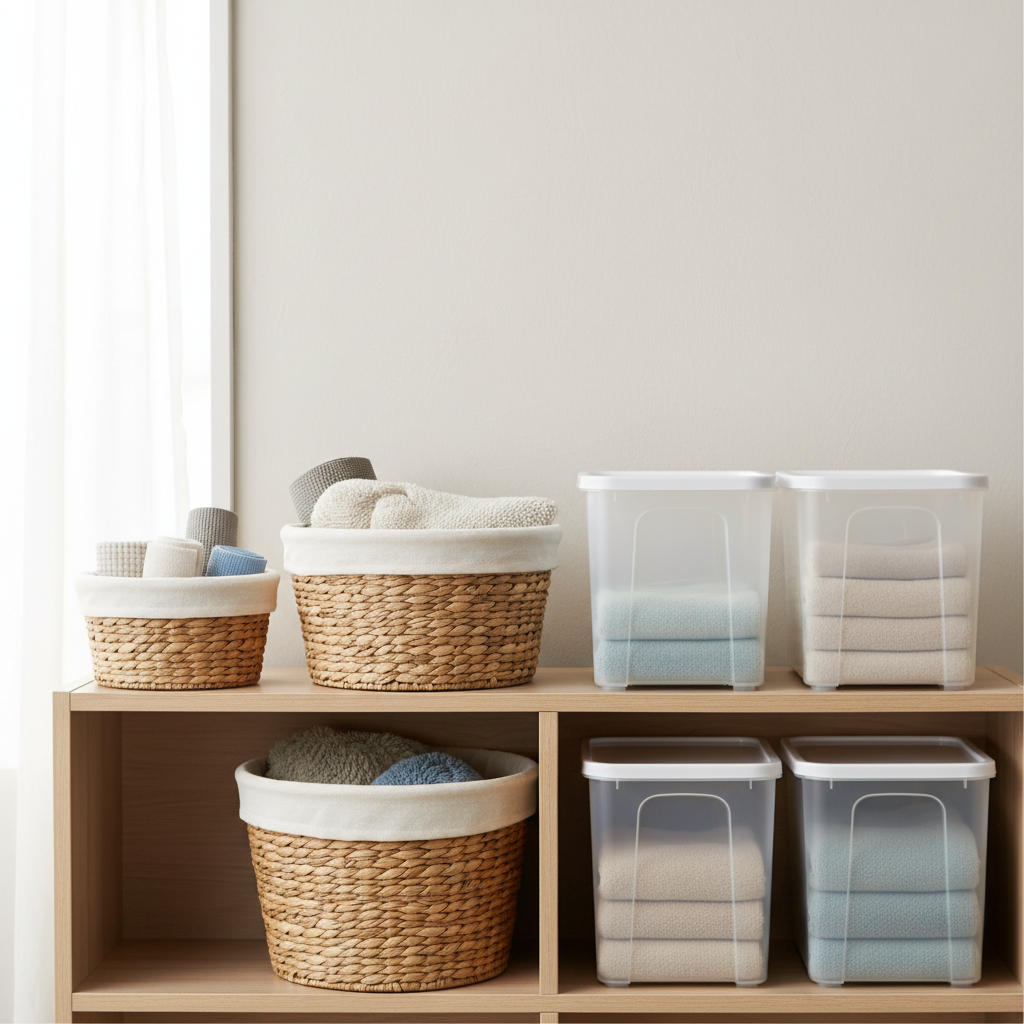
A well-organized kitchen can transform daily meal preparation from a chore into a seamless experience. Yet, many overlooked areas can still create chaos, with the rice dispenser often being one of them. Imagine effortlessly identifying your desired rice variety and its freshness with a glance. Labeling your rice dispenser isn’t just about neatness; it’s a strategic move to boost efficiency, ensure food safety, and maintain a harmonious kitchen environment. This comprehensive guide will walk you through everything you need to know, from choosing the right labeling method to best practices for placement and maintenance, ensuring your rice dispenser contributes to a perfectly organized pantry.
Why Label Your Rice Dispenser? More Than Just Tidiness
|
Our Picks for the Best Rice dispenser in 2026
As an Amazon Associate I earn from qualifying purchases.
|
||
| Num | Product | Action |
|---|---|---|
| 1 | Rice Dispenser, Slim Rice Storage Container for Small Space, BPA-Free Clear Dry Food Dispenser Sealed Moisture Proof, Grain Storage Bucket for Kitchen Pantry Household (Green11Lbs) |

|
| 2 | LUOKER Rice Dispenser,25 Lbs Rice Storage with Measuring Cup,White&Green Rice Container with One-Touch,Cereal Dispenser Storage with Lids for Rice, Corn,Soybean & Oatmeal,Airtight, Moisture Proof |
|
| 3 | Sooyee 22 Lbs Rice Dispenser with Measuring Cup,Large Food Storage Containers for Rice, Corn,Soybean & Oatmeal,Airtight, Moisture Proof |
|
| 4 | Rice Dispenser, Rice Storage Container with Measuring Cup for Kitchen Pantry Household, Dry Food Storage Containers Airtight, Sealed Moisture Proof, Cream White 11 Lbs |
|
| 5 | Large Rice Dispenser 25Lbs, Cereal Dispenser Rice Container Food Storage Container with Measuring Cup, Cereal Containers Storage Kitchen Storage Household Rice Pet Food Holder (25LBS) |
|
| 6 | Lenwi 22-25 Lbs Rice Dispenser, Large Cereal Dry Food Storage Containers with Measuring Cup,BPA-Free Household for Kitchen Pantry Organization-Grey |
|
| 7 | Lifewit Rice Dispenser 25 Lbs(11.3kg), Rice Storage Container Sealed Moisture Proof with Measuring Cup for Kitchen Pantry Household, BPA-Free, 1 Pack Pink |
|
| 8 | Lifewit Rice Dispenser 25 Lbs(11.3kg), Rice Storage Container Sealed Moisture Proof with Measuring Cup for Kitchen Pantry Household, BPA-Free, 1 Pack Clear |
|
| 9 | Aroma Housewares 27lbs Large Rice Dispenser, 7.25 x 16.5 x 16.5 inches, White |
|
| 10 | Mity rain Rice Dispenser 20 Lbs with Moisture Absorbing Clay, Rice Storage Container with Measuring Cup, 12 L Cereal Containers Storage Airtight for Kitchen Pantry Organization |
|
Labeling might seem like a small detail, but its impact on kitchen organization is significant. A clearly labeled rice dispenser saves you time and reduces waste, fundamentally improving your daily routine. It eliminates guesswork, allowing you to quickly grab the exact rice you need without having to open multiple containers or guess at their contents.
Improved Efficiency and Time-Saving
In a bustling kitchen, every second counts. Labels offer instant identification, preventing the frustration of searching through unlabeled containers. You can swiftly locate your white rice for a weeknight dinner or the special basmati for a festive meal, streamlining your cooking process and saving valuable time. This efficiency extends beyond cooking, simplifying grocery runs as you can easily see what you have and what you need.
Food Safety and Waste Reduction (FIFO)
Beyond convenience, labeling plays a critical role in food safety and minimizing waste. By including dates on your labels, you can implement the “First-In, First-Out” (FIFO) method. This ensures that older rice is used before newer stock, preventing spoilage and maintaining freshness. This practice is especially important for brown rice, which has a shorter shelf life due to its natural oils. Knowing expiration dates at a glance means less food wasted and more money saved.
Quick Inventory Management
An organized rice dispenser contributes to a smarter pantry inventory. With clear labels, you instantly know what types and quantities of rice you have on hand. This visibility helps prevent accidental duplicate purchases and makes meal planning much easier. It turns your pantry into an efficient system where you are always aware of your stock levels.
Choosing the Right Labeling Method for Your Rice Dispenser
The perfect label for your rice dispenser depends on your personal style, budget, and how often your rice varieties change. There’s a wide array of options, from simple DIY solutions to more professional and durable choices. Each method offers unique advantages, allowing you to customize your organization system to fit your specific needs.
DIY Printed Labels
For a cost-effective and highly customizable option, DIY printed labels are an excellent choice. You can design labels with various fonts and colors using a standard home printer. To make them durable and waterproof, cover them with clear packing tape or laminate them before applying. This method allows for creative expression and can be easily updated or changed as needed, making it suitable for those who enjoy a personalized touch without a significant investment.
Label Makers
A label maker provides a clean, professional, and consistent look. These devices print durable, often waterproof, adhesive labels that resist smudging and moisture—ideal for a kitchen environment. Many label makers offer various font styles, sizes, and even different label colors, giving you flexibility to create a uniform and highly legible labeling system. They are particularly useful for those seeking a sleek, standardized appearance across all their pantry containers.
Erasable & Reusable Labels
If you frequently change the contents of your rice dispenser or store different types of grains in rotation, erasable and reusable labels are a game-changer. These labels, often made from vinyl or a laminated material, allow you to write on them with a dry-erase, wet-erase, or even a permanent marker that can then be removed with an art eraser. This flexibility means you can update information without constantly printing new labels or worrying about sticky residue, making them a sustainable and practical choice.
Chalkboard Labels
For a rustic yet functional aesthetic, chalkboard labels are a popular choice. These self-adhesive labels mimic a chalkboard surface, allowing you to write with chalk markers. They are easy to wipe clean and rewrite, making them reusable and versatile. Chalkboard labels add a charming touch to your kitchen while providing the same practical benefits of other reusable options.
Direct Writing
Sometimes, the simplest method is the best. For certain rice dispensers or containers, writing directly on the surface with a suitable marker can be incredibly convenient. Dry-erase markers work well on smooth, non-porous surfaces like glass or some plastics and can be easily wiped clean. Wet-erase markers offer more smudge resistance once dry, making them a good option for frequently handled containers. This method offers immediate labeling without additional materials, perfect for quick adjustments.
Vinyl Labels
For a truly custom and high-end look, vinyl labels cut with a machine like a Cricut offer exceptional durability and aesthetic appeal. These labels are waterproof, long-lasting, and can be designed with intricate fonts and graphics to match your kitchen decor perfectly. While requiring an initial investment in equipment or custom ordering, vinyl labels provide a polished and permanent solution for those who want their organization to double as decor.
What to Include on Your Rice Dispenser Labels
Effective labels go beyond just naming the contents. To maximize organization and food safety, specific details are crucial. Thoughtful labeling ensures that anyone in your household can quickly understand what’s inside and when it should be used, contributing to a more efficient and waste-free kitchen.
Rice Type
This is the most fundamental piece of information. Clearly specify the exact type of rice, such as “Jasmine Rice,” “Basmati Rice,” “Brown Rice,” or “Arborio Rice.” This prevents confusion, especially when multiple varieties look similar but have distinct cooking properties or uses. Differentiate between instant, parboiled, or whole grain versions if you store them.
Date of Purchase/Opening
Knowing when you bought or opened a bag of rice is vital for tracking its freshness, particularly for grains with a shorter shelf life. Write down the “Opened On” date as soon as you transfer the rice to the dispenser. This allows you to follow the FIFO principle, ensuring you use older stock before it begins to lose quality.
Expiration Date
While white rice can last a very long time if stored properly, brown rice has a higher oil content, making it susceptible to rancidity after about six months. Always note the “Best By” or “Expiration Date” from the original packaging. For long-term storage, even white rice benefits from knowing its age, encouraging rotation and ensuring optimal flavor.
Cooking Notes (Optional, but Helpful)
For busy families or households with multiple cooks, including brief cooking instructions can be incredibly helpful. This could be as simple as “1:2 rice to water ratio” or “Cook for 20 minutes.” This eliminates the need to look up instructions every time, making meal preparation smoother and more consistent. Consider adding details like “Rinse before cooking” for certain types of rice.
Best Practices for Effective Label Placement and Application
Even the best labels won’t be effective if they’re poorly applied or placed. Strategic placement and proper application techniques ensure your labels are always visible, legible, and durable, standing up to the demands of a busy kitchen. Adhering to these simple guidelines will enhance the longevity and utility of your labeling system.
Clean Surface is Key
Before applying any label, ensure the surface of your rice dispenser is clean, dry, and free of any grease or residue. A clean surface allows the adhesive to bond properly, preventing peeling or bubbling. Wipe down the area with rubbing alcohol if necessary, and let it dry completely before proceeding. A strong initial bond means your labels will last longer.
Consistent Visibility
Always place labels where they are most visible. For most rice dispensers, this means the front face of the container, easily readable at a glance without having to move or reorient the unit. If your dispenser is stacked or stored in a way that only one side is consistently exposed, ensure the label is on that side. Avoid placing labels on lids if the lids are often removed or if the dispenser is stacked, as this can obscure information.
Legibility Matters
Choose a font or handwriting style that is clear and easy to read from a distance. Avoid overly ornate or small fonts that require close inspection. Opt for high contrast between the label and the writing (e.g., dark ink on a light label). If writing by hand, use a fine-point permanent marker for clarity, or a quality chalk marker for chalkboard labels, ensuring the text remains crisp over time.
Consider Color-Coding
Introduce a color-coding system to add another layer of organization. For instance, you could use green labels for white rice, blue for brown rice, and red for specialty grains. This visual cue allows for even faster identification, particularly beneficial in households where different family members might have varying rice preferences or dietary needs. Color-coding reduces decision fatigue and speeds up ingredient selection.
Maintaining Your Labeled Rice Dispenser System
A labeling system is only as good as its maintenance. To ensure your rice dispenser organization remains effective long-term, periodic checks and updates are necessary. Consistent care will keep your labels looking fresh and the information accurate, preventing your system from devolving into disarray.
Regular Updates
Life happens, and sometimes rice varieties change, or you might switch brands. Make it a habit to review your labels periodically. When you refill your dispenser, check the “Opened On” or “Best By” dates to ensure they are current. If you switch contents, promptly update or replace erasable labels. This diligence keeps your system dynamic and always relevant to your current pantry stock.
Cleaning and Care
Kitchens can be messy places. Ensure your labels are compatible with your cleaning routine. Waterproof and oil-proof labels are ideal for containers that may be wiped down frequently. For reusable labels, use the recommended cleaning method (e.g., a simple art eraser for erasable labels) to prevent damage. Avoid harsh chemicals that might degrade label materials or inks.
Adapting Your System
As your cooking habits or family needs evolve, so too should your organization system. Don’t be afraid to adapt your labeling approach. If you find certain information is no longer useful, remove it. If a new type of rice becomes a staple, create a clear label for it. The goal is to create a system that works for you, making flexibility a key component of long-term success.
Conclusion
Transforming your kitchen starts with simple, effective steps, and labeling your rice dispenser is a prime example. By thoughtfully choosing your labeling method, including essential information, and adhering to best practices for placement and maintenance, you can elevate your kitchen’s organization, boost efficiency, and contribute to a more sustainable home. Moving beyond the “mystery container” era allows for a seamless cooking experience, where every grain of rice is accounted for and easily accessible. Isn’t it time to bring this level of precision and peace to your pantry?
Frequently Asked Questions
What kind of marker is best for reusable labels?
For reusable labels, wet-erase markers are often recommended as they offer better smudge resistance once dry compared to dry-erase markers, yet can still be easily cleaned off with a damp cloth or art eraser. Permanent markers can also be used on some erasable labels and removed with a specific eraser.
Should I label different types of rice?
Absolutely. Labeling different types of rice is crucial for clear identification, especially since many varieties can look similar but have distinct cooking times and uses. This prevents confusion and ensures you use the correct rice for your culinary needs.
Where should I place the label on my rice dispenser?
Always place the label on the front face of your rice dispenser, where it is most visible and easily readable at a glance without needing to move the container. Avoid placing labels on lids if the lids are frequently removed or if the dispenser is often stacked.