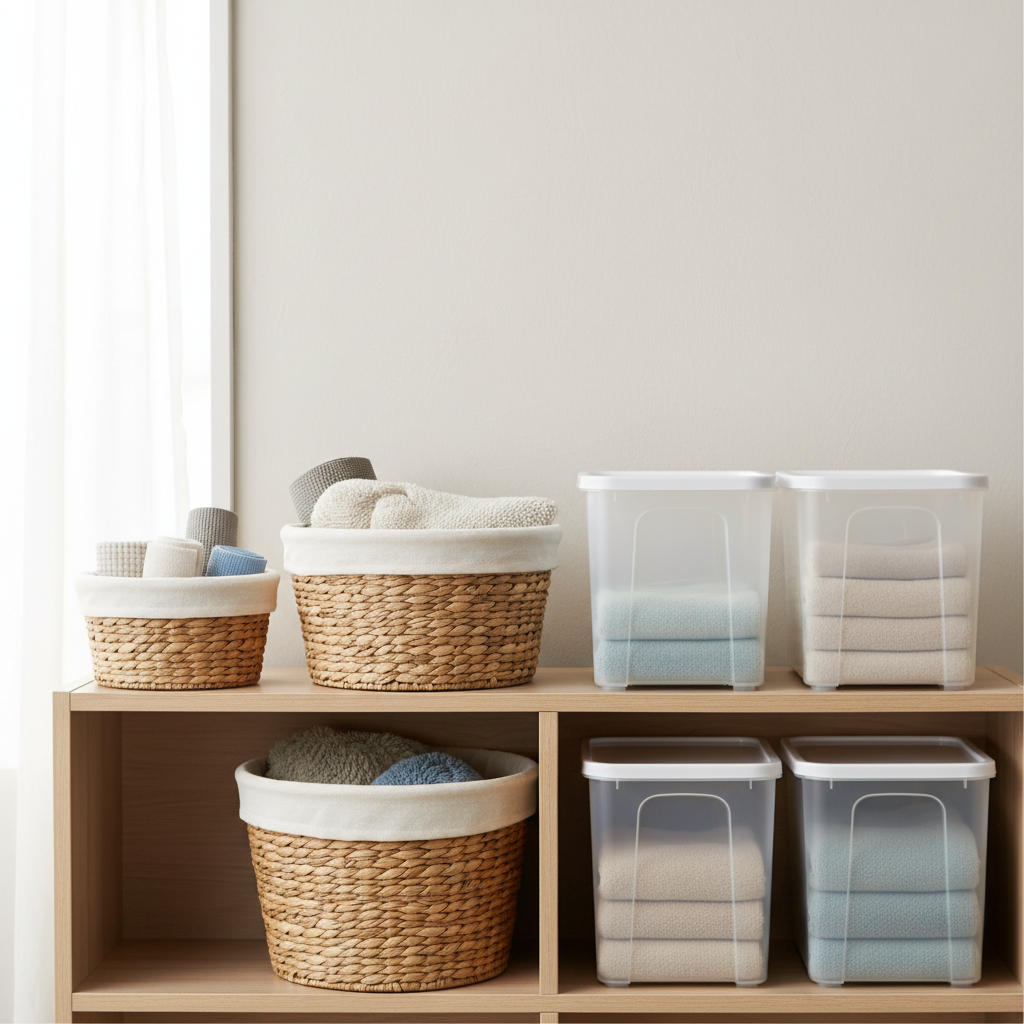
Imagine opening your pantry door to a symphony of order: every item in its designated place, visible, and easily accessible. No more rummaging through cluttered shelves or buying duplicates of ingredients you already own. A well-organized pantry isn’t just a dream; it’s an achievable reality, and uniform bins are the secret weapon to transform your kitchen space. This guide will walk you through the journey of selecting, implementing, and maintaining a beautifully efficient pantry using the power of consistent storage.
The Ultimate Guide to Perfect Pantry Organization with Uniform Bins
|
Our Picks for the Best Rice dispenser in 2026
As an Amazon Associate I earn from qualifying purchases.
|
||
| Num | Product | Action |
|---|---|---|
| 1 | Lifewit Rice Dispenser 25 Lbs(11.3kg), Rice Storage Container Sealed Moisture Proof with Measuring Cup for Kitchen Pantry Household, BPA-Free, 1 Pack Clear |

|
| 2 | Mity rain Rice Dispenser 20 Lbs with Moisture Absorbing Clay, Rice Storage Container with Measuring Cup, 12 L Cereal Containers Storage Airtight for Kitchen Pantry Organization |
|
| 3 | Rice Dispenser, Rice Storage Container with Measuring Cup for Kitchen Pantry Household, Dry Food Storage Containers Airtight, Sealed Moisture Proof, Cream White 11 Lbs |
|
| 4 | Rice Dispenser, Slim Rice Storage Container for Small Space, BPA-Free Clear Dry Food Dispenser Sealed Moisture Proof, Grain Storage Bucket for Kitchen Pantry Household (Green11Lbs) |
|
| 5 | Large Rice Dispenser 25Lbs, Cereal Dispenser Rice Container Food Storage Container with Measuring Cup, Cereal Containers Storage Kitchen Storage Household Rice Pet Food Holder (25LBS) |
|
| 6 | Aroma Housewares 27lbs Large Rice Dispenser, 7.25 x 16.5 x 16.5 inches, White |
|
| 7 | LUOKER Rice Dispenser,25 Lbs Rice Storage with Measuring Cup,White&Green Rice Container with One-Touch,Cereal Dispenser Storage with Lids for Rice, Corn,Soybean & Oatmeal,Airtight, Moisture Proof |
|
| 8 | Sooyee 22 Lbs Rice Dispenser with Measuring Cup,Large Food Storage Containers for Rice, Corn,Soybean & Oatmeal,Airtight, Moisture Proof |
|
| 9 | Lifewit Rice Dispenser 25 Lbs(11.3kg), Rice Storage Container Sealed Moisture Proof with Measuring Cup for Kitchen Pantry Household, BPA-Free, 1 Pack Pink |
|
| 10 | Lenwi 22-25 Lbs Rice Dispenser, Large Cereal Dry Food Storage Containers with Measuring Cup,BPA-Free Household for Kitchen Pantry Organization-Grey |
|
Transforming your pantry begins with a strategic approach to storage. Uniform bins bring both aesthetic appeal and practical functionality, turning chaos into calm. They create a cohesive look that reduces visual clutter and makes it incredibly simple to locate exactly what you need, when you need it. By establishing a system with consistent containers, you’re not just organizing your food; you’re streamlining your entire cooking process.
Types of Pantry Bins for Every Need
The market offers a diverse range of pantry bins, each with unique advantages. Choosing the right types is crucial for optimizing your space and matching your organizational style.
- Clear Plastic/Acrylic Bins: These are exceptionally popular for their transparency, allowing you to see contents at a glance. They are lightweight, generally affordable, and easy to clean, making them ideal for categorizing snacks, pouches, or often-used ingredients. The visibility they offer prevents overbuying and helps with quick inventory checks.
- Stackable Bins: Perfect for maximizing vertical space, especially in smaller pantries. Stackable designs, often found in clear plastic or wire, are excellent for housing bulkier items, bags of chips, or children’s snacks. They help create distinct layers within shelves, utilizing every inch efficiently.
- Woven Baskets: For a touch of rustic charm or to hide less aesthetically pleasing items like extra napkins or cleaning supplies, woven baskets are an excellent choice. They offer a warm, natural look but are generally not suitable for direct food contact unless lined. These are best for items you don’t need to see immediately.
- Metal/Wire Bins: Offering durability and a more industrial or farmhouse aesthetic, metal or wire bins provide good ventilation. They are sturdy for heavier items like canned goods or root vegetables and are often designed to be stackable or have open fronts for easy access.
- Airtight Containers: Essential for preserving the freshness of dry goods such as flour, sugar, pasta, cereal, and grains. Made from plastic or glass, these containers seal tightly to prevent pests and moisture, extending the shelf life of your ingredients. They are fundamental for decanting items from original packaging.
- Bins with Wheels: For deep pantries or cabinets, bins equipped with wheels can be a game-changer. They allow you to easily slide out containers from the back, providing access to items that would otherwise be difficult to reach. This is particularly useful for heavy bulk items.
Essential Factors When Choosing Pantry Bins
Selecting the perfect uniform bins involves considering several key factors to ensure they meet both your functional and aesthetic needs.
Material: The material of your bins impacts durability, visibility, and maintenance.
- Plastic/Acrylic: Clear plastic offers excellent visibility, is lightweight, and often the most budget-friendly option. It’s easy to wipe clean but can scratch over time. Ensure they are food-grade safe for direct food contact.
- Stainless Steel/Metal: These bins are highly durable and offer a sleek, modern look. They are excellent for heavy items and are pest-resistant. However, they are not transparent, can be heavier, and often come at a higher price point.
- Woven (e.g., rattan, fabric): Primarily chosen for their aesthetic appeal, woven baskets conceal clutter effectively. They are less practical for direct food storage and can be harder to clean than smooth surfaces.
- Glass (for airtight containers): Glass containers provide a premium look, are durable, non-reactive, and don’t absorb odors. They are heavier and more fragile than plastic but offer superior clarity and an elegant presentation.
Capacity/Size: Before purchasing, accurately measure your pantry shelves’ height, depth, and width. This step is critical to avoid buying bins that don’t fit or don’t maximize space. Consider the types and quantities of food you typically store. Do you buy in bulk or smaller quantities? Choose capacities that match your family’s usage to prevent waste or frequent refilling. Matching bin sizes to item categories—such as tall bins for pasta and shorter, wider ones for snacks—ensures efficient use of space.
Design and Features: Beyond material and size, specific design elements can greatly enhance your pantry’s functionality.
- Uniformity: Opting for a consistent style or color scheme across your bins creates a visually pleasing, serene, and organized look that is far easier to maintain. This consistency is the cornerstone of an aesthetically pleasing and functional pantry.
- Handles: Bins with integrated handles make it easier to pull them off shelves, especially for items stored higher up or deeper in the pantry.
- Lids: Lids are vital for stackability, which is essential for maximizing vertical space. Airtight lids are a must for preserving food freshness and deterring pests.
- Labels: Perhaps the most crucial feature, labels turn a collection of containers into a highly organized system. Whether handwritten, printed, or using chalkboard labels, clear labeling ensures everyone knows where items belong and prevents confusion.
- Stackable Design: This feature is a space-saving powerhouse, allowing you to build upward rather than outward, perfect for small pantries.
- Open-front: For items like snack bags or frequently accessed produce, open-front bins allow for easy grab-and-go access without removing the entire bin.
Brand and Price: Investing in quality pantry bins from reputable brands like OXO, The Container Store, or other specialized home organization retailers can lead to long-term satisfaction. While some options may seem pricier upfront, their durability and effective design often prove more cost-effective than repeatedly replacing cheaper, less functional alternatives. Balance your budget with the need for quality that will withstand daily use.
Comparing Popular Pantry Bin Solutions
Here’s a comparison of common pantry bin types to help you decide:
| Bin Type | Material | Typical Use | Pros | Cons | Price Range |
|---|---|---|---|---|---|
| Clear Storage Bins | Plastic/Acrylic | Snacks, pouches, boxed goods, cleaning supplies | Visible contents, lightweight, affordable, easy to clean | Can scratch, less durable than glass, not always airtight | Low to Mid |
| Airtight Canisters | Plastic/Glass | Dry goods (flour, sugar, pasta, cereal, nuts) | Keeps food fresh, pest-proof, stackable, clear visibility | Can be expensive, glass is fragile, heavier than plastic | Mid to High |
| Woven Baskets | Rattan, Fabric | Linens, large bags, lesser-used items | Aesthetic appeal, hides clutter, adds texture | Not airtight, harder to clean, can be bulky | Low to Mid |
| Metal/Wire Bins | Stainless Steel | Canned goods, root vegetables, heavier items | Durable, breathable, sturdy, modern look | Not transparent, can be heavy, can rust if not stainless | Mid |
Step-by-Step Guide to Organizing Your Pantry with Uniform Bins
Achieving a beautifully organized pantry with uniform bins is a systematic process. Follow these steps for the best results:
- Empty and Clean: Begin by completely emptying your pantry. Take everything out. Once clear, wipe down all shelves, walls, and corners thoroughly. This provides a fresh start and allows you to properly assess your space.
- Declutter and Sort: As you remove items, check expiration dates and discard anything expired or stale. Group similar items together: all baking supplies, all snacks, all pasta, all canned goods, spices, breakfast items, etc. This categorization is crucial for determining your bin needs.
- Measure Your Space: With an empty pantry, take precise measurements of your shelves. Note the height between shelves, the depth from front to back, and the width of each section. These measurements are vital for selecting bins that fit perfectly and maximize every available inch.
- Choose Your Bins: Based on your categorized items and shelf measurements, select your uniform bins. Opt for consistent styles, colors, or materials to create a harmonious look. Prioritize clear, airtight containers for dry goods, stackable bins for vertical efficiency, and perhaps woven baskets for items you prefer to keep out of sight.
- Decant and Fill: Transfer dry goods from their original packaging into your chosen airtight containers. This not only maintains freshness but also instantly elevates the aesthetic. Fill your uniform bins with their respective categories. For instance, all snack bags go into one bin, all spice packets into another.
- Label Everything: This step is non-negotiable for long-term organization. Label each bin and container clearly. Include the item name and, for decanted goods, the expiration date. Labels ensure every item has a home and makes it easy for anyone in the household to find and return items correctly.
- Arrange Strategically:
- Frequently Used Items: Place these at eye level and within easy reach.
- Heavier Items: Store these on lower shelves to prevent accidents and for easier lifting.
- Utilize Vertical Space: Employ stackable bins, shelf risers, and tiered shelving (especially for spices or canned goods) to make the most of height.
- Corners and Deep Shelves: Lazy Susans are fantastic for maximizing accessibility in corners or for small bottles and jars.
- First In, First Out (FIFO): Arrange items so older products are at the front, encouraging their use before newer items, which helps prevent food waste.
Tips for Maintaining an Organized Pantry
The true test of any organization system is its sustainability. Here are essential tips to keep your uniform bin pantry looking pristine:
- Regularly Check Expiration Dates: Make it a habit to quickly scan expiration dates when putting groceries away or before a major cooking session. This keeps your inventory fresh and prevents waste.
- Restock with Intention: When grocery shopping, consult your pantry before you leave. When you return, immediately place items into their designated bins, ensuring older items are brought to the front.
- Involve the Whole Family: Teach everyone in the household the system. If they know where everything goes and understand the benefits, they are more likely to help maintain it.
- Quick Clean-Up After Grocery Shopping: Dedicate 10-15 minutes after each grocery trip to integrating new items and tidying up any displaced bins.
- Keep a Running Inventory List: A simple list (digital or physical) of pantry staples can prevent overbuying and help you plan meals more efficiently.
“A truly organized pantry isn’t about perfection; it’s about creating a functional system that reduces daily friction and inspires you to cook.” – Sarah Miller, Professional Home Organizer
Conclusion
Organizing your pantry with uniform bins is a transformative project that goes beyond mere aesthetics. It’s about creating a more efficient, less stressful kitchen environment where every ingredient is respected and easily found. By carefully planning, selecting the right bins, and committing to a consistent labeling and maintenance routine, you unlock a new level of culinary enjoyment and household harmony. Embrace the clarity and calm that a well-ordered pantry brings, and watch how it simplifies your daily routine. Why not start your pantry transformation today? What’s the first section of your pantry you’ll tackle with uniform bins?
Frequently Asked Questions
Why use uniform bins instead of mixed ones for pantry organization?
Uniform bins offer a clean, cohesive look that significantly reduces visual clutter, making your pantry appear more spacious and organized. Beyond aesthetics, they often fit together more efficiently, maximizing usable space and simplifying the process of finding and returning items to their designated spots.
Are clear bins always the best choice for pantry organization?
Clear bins are excellent for visibility and taking inventory, which helps prevent overbuying. However, they can sometimes make a pantry look cluttered if the contents aren’t decanted or are irregularly shaped. For items you prefer to keep out of sight, like extra cleaning supplies or less-used ingredients, opaque or woven bins might be a better aesthetic choice, balancing visibility with visual calm.
How often should I reorganize my pantry?
While a deep reorganization might be needed annually, a quick refresh every 1 to 3 months is beneficial, especially after major grocery hauls. Regularly checking expiration dates and tidying up displaced items after each shopping trip can help maintain the system and reduce the need for extensive overhauls.
Can I organize a small pantry effectively with uniform bins?
Absolutely! Uniform bins are particularly effective in small pantries as they create an illusion of space and maximize every inch. By using stackable, clear, and appropriately sized bins, you can optimize vertical space and ensure that even a compact pantry feels spacious and highly functional.
What should I do with oversized bags or irregular items that don’t fit in standard bins?
For oversized bags like bulk flour or sugar, consider using the largest airtight containers available or dedicated bulk bins designed for these items. For irregularly shaped items, you might designate a specific, slightly larger uniform bin or basket to contain them, ensuring they still have a home within your organized system.