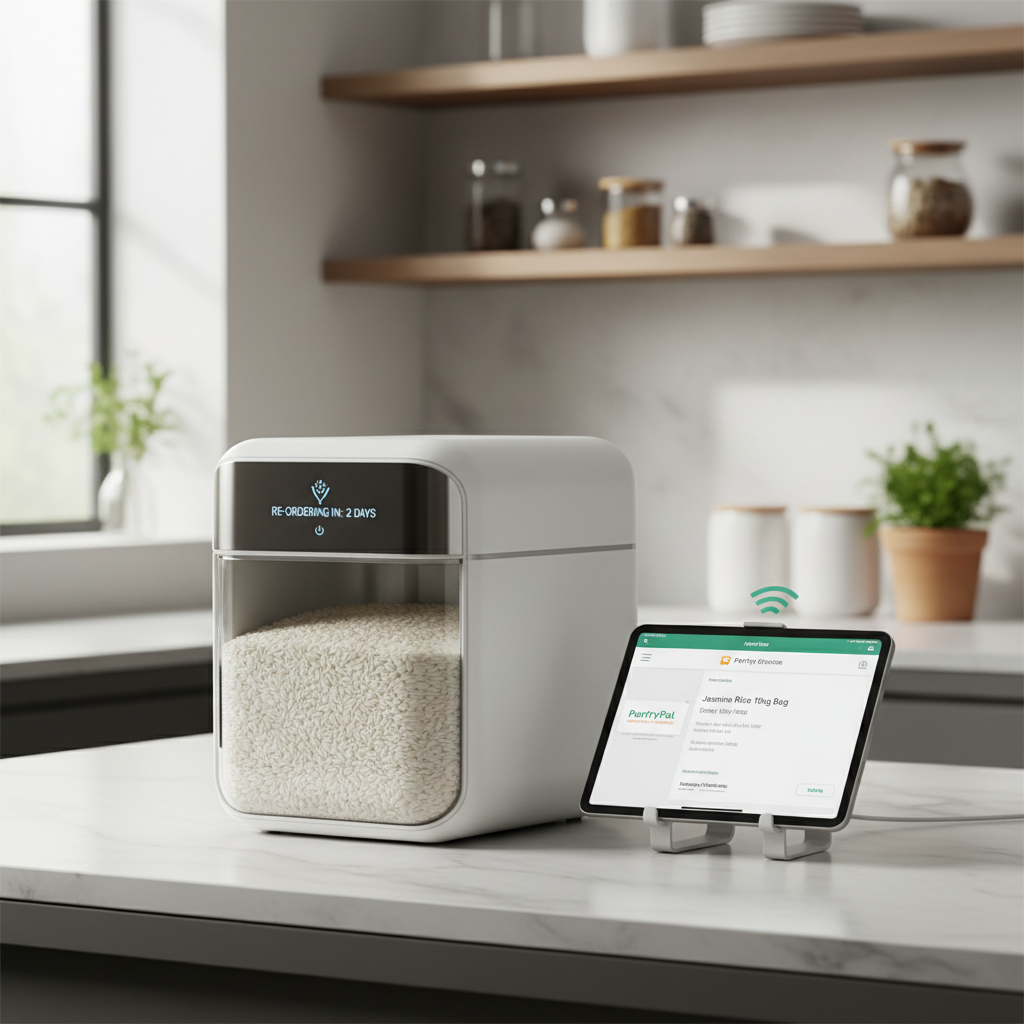
For camping enthusiasts, a warm bowl of rice can be the ultimate comfort food after a day of adventure. Bringing your trusty rice dispenser from home seems convenient, but the wilderness presents unique challenges: moisture, pests, and rough handling can quickly turn your precious grains into an unappetizing mess. Ensuring your rice stays dry, safe, and ready to cook requires a thoughtful approach to waterproofing and storage. This guide will walk you through everything you need to know to adapt your rice dispenser or choose the perfect alternative for your next outdoor excursion.
Understanding the Challenge: Why Regular Rice Dispensers Fall Short in the Wild
Standard home rice dispensers are designed for kitchen countertops, not the unpredictable elements of a campsite. Their primary functions, like easy portioning, often come at the expense of robust sealing.
Moisture and Humidity: The Silent Spoilers
|
Our Picks for the Best Rice dispenser in 2026
As an Amazon Associate I earn from qualifying purchases.
|
||
| Num | Product | Action |
|---|---|---|
| 1 | Lifewit Rice Dispenser 25 Lbs(11.3kg), Rice Storage Container Sealed Moisture Proof with Measuring Cup for Kitchen Pantry Household, BPA-Free, 1 Pack Pink |

|
| 2 | Sooyee 22 Lbs Rice Dispenser with Measuring Cup,Large Food Storage Containers for Rice, Corn,Soybean & Oatmeal,Airtight, Moisture Proof |
|
| 3 | Rice Dispenser, Slim Rice Storage Container for Small Space, BPA-Free Clear Dry Food Dispenser Sealed Moisture Proof, Grain Storage Bucket for Kitchen Pantry Household (Green11Lbs) |
|
| 4 | Lenwi 22-25 Lbs Rice Dispenser, Large Cereal Dry Food Storage Containers with Measuring Cup,BPA-Free Household for Kitchen Pantry Organization-Grey |
|
| 5 | Mity rain Rice Dispenser 20 Lbs with Moisture Absorbing Clay, Rice Storage Container with Measuring Cup, 12 L Cereal Containers Storage Airtight for Kitchen Pantry Organization |
|
| 6 | Aroma Housewares 27lbs Large Rice Dispenser, 7.25 x 16.5 x 16.5 inches, White |
|
| 7 | Large Rice Dispenser 25Lbs, Cereal Dispenser Rice Container Food Storage Container with Measuring Cup, Cereal Containers Storage Kitchen Storage Household Rice Pet Food Holder (25LBS) |
|
| 8 | Lifewit Rice Dispenser 25 Lbs(11.3kg), Rice Storage Container Sealed Moisture Proof with Measuring Cup for Kitchen Pantry Household, BPA-Free, 1 Pack Clear |
|
| 9 | LUOKER Rice Dispenser,25 Lbs Rice Storage with Measuring Cup,White&Green Rice Container with One-Touch,Cereal Dispenser Storage with Lids for Rice, Corn,Soybean & Oatmeal,Airtight, Moisture Proof |
|
| 10 | Rice Dispenser, Rice Storage Container with Measuring Cup for Kitchen Pantry Household, Dry Food Storage Containers Airtight, Sealed Moisture Proof, Cream White 11 Lbs |
|
The biggest threat to rice in the outdoors is moisture. Even without direct rain exposure, high humidity, morning dew, or condensation within your tent or cooler can introduce dampness. Rice readily absorbs moisture, leading to clumping, a stale taste, and, more critically, the rapid growth of mold and bacteria. Once mold sets in, the rice is no longer safe to consume.
Pests: Uninvited Camp Guests
From tiny weevils to persistent rodents, pests are a constant concern in any outdoor food storage scenario. Standard rice dispensers, typically made of plastic with non-hermetic seals, offer little resistance to determined creatures looking for an easy meal. Rodents can chew through thin plastic, while insects can exploit even the smallest gaps, contaminating your food supply.
Durability and Handling: Built for the Kitchen, Not the Trail
Home rice dispensers are generally not built to withstand the rigors of camping. They can be brittle, easily cracked or broken during transport, or if accidentally dropped. The dispensing mechanisms, often consisting of moving parts and levers, can be delicate and vulnerable to dirt, sand, or damage, rendering your dispenser useless.
Dispensing Mechanisms: A Waterproofing Paradox
The very feature that makes a rice dispenser convenient—its dispensing mechanism—is often its biggest waterproofing weakness. These mechanisms typically rely on gravity or simple slides, creating openings that are difficult to seal completely against water or tiny pests without impeding their function. This paradox means a traditional dispenser may need significant modification or a completely different storage strategy for camping.
Essential Principles of Camping Food Waterproofing
When preparing food for the outdoors, regardless of the container, a few core principles should guide your waterproofing efforts:
Layered Protection: Your Best Defense
Think of waterproofing as having multiple lines of defense. An inner layer protects the food directly, while an outer layer shields the inner layer and provides structural integrity. This strategy ensures that even if one layer fails, your food remains safe.
Airtight Seals: Beyond Just “Closed”
An airtight seal is crucial, not just for waterproofing but also for preserving freshness and keeping pests out. Look for containers with robust gaskets, O-rings, or effective sealing mechanisms that create a vacuum or a tight compression seal. Simply “closing” a lid is rarely enough.
Impact Resistance: Protecting Against the Bumps
Camping gear gets jostled, dropped, and stacked. Your food storage needs to withstand these impacts without cracking, opening, or compromising its seals. Durable materials and sturdy construction are key to protecting both the container and its contents.
Waterproofing Your Existing Rice Dispenser: DIY Strategies
While adapting a home rice dispenser for camping has its limitations, you can employ several DIY strategies to enhance its protection.
Inner Bag Protection: The First Line of Defense
The most effective way to protect rice inside any dispenser is to use an inner, sealed layer.
- Mylar Bags: These heavy-duty foil-like bags are excellent. Fill Mylar bags with your desired amount of rice, add an oxygen absorber (optional for short trips but good for freshness), and heat-seal them. Place these sealed bags inside your rice dispenser.
- Vacuum Seal Bags: For smaller portions, vacuum-sealing rice in food-grade plastic bags removes air and creates a strong, watertight seal. These individual packets can then be placed inside the dispenser.
- Heavy-Duty Ziploc Bags: While less robust than Mylar or vacuum-sealed bags, thick, freezer-grade resealable bags can offer a basic level of protection against moisture if doubled up.
Benefits: This method ensures the rice itself is protected from moisture and pests, even if the dispenser’s outer shell isn’t perfectly sealed. It’s a highly effective way to maintain food quality.
Drawbacks: It largely negates the “dispensing” convenience. You’ll need to remove and open an inner bag to access the rice, then reseal it or use another bag for the remainder.
Exterior Shell: The Outer Guard
To protect the entire rice dispenser, especially from rain, splashes, and impacts, consider an external waterproof container.
- Dry Bags: A roll-top dry bag designed for outdoor gear can encompass your entire rice dispenser. Ensure the dry bag is large enough and rolls down at least three times for a secure, watertight seal.
- Hard-Shell Waterproof Cases: Products like Pelican cases or rugged camping storage boxes (e.g., RUX, often made from TPU-coated nylon) offer superior protection against water, dust, and crushing. Place your rice dispenser, preferably with inner bag protection, inside one of these cases.
Benefits: Provides robust external protection, guarding against the elements and potential physical damage.
Considerations: Adds bulk and weight. You’ll need to remove the dispenser from its outer shell to use it.
Sealing Gaps (with caution)
For some simple rice dispensers, you might consider trying to seal external gaps, but this is generally not recommended for the dispensing mechanism itself as it will interfere with its function and food safety. If your dispenser has non-food-contact seams or non-moving parts that appear to be entry points for water or pests, a food-safe silicone sealant might be used cautiously on the exterior. However, this is rarely practical or effective for the nuanced design of most dispensers.
Choosing a Camping-Ready “Rice Dispenser” Alternative
Given the challenges of truly waterproofing a traditional home rice dispenser, often the most practical solution for camping is to opt for dedicated outdoor food storage solutions. These alternatives prioritize protection over the specific “dispensing” action but ensure your rice remains pristine.
Dedicated Waterproof Food Containers
These containers are designed from the ground up for harsh conditions.
- Hard-Shell Containers: Brands like Pelican offer virtually indestructible, airtight, and waterproof cases. While not “dispensers,” they provide unparalleled protection. Similarly, high-quality camping storage boxes (like the RUX 70L, which uses TPU-coated nylon for waterproofness) are excellent.
- Food-Grade Buckets with Gamma Seal Lids: These rugged 5-gallon buckets with screw-on, gasketed lids are exceptionally airtight and watertight. Often used by preppers, they can hold large quantities of rice safely. Though you scoop out the rice rather than dispense it, their reliability is unmatched.
- Airtight Plastic Containers: Look for food-grade plastic containers with strong latching mechanisms and silicone or rubber gaskets. Many kitchen storage brands now offer highly airtight options that can withstand spills and moisture.
Heavy-Duty Dry Bags
For lightweight and flexible storage, heavy-duty dry bags are an excellent choice. They are specifically designed to keep contents dry, even when submerged. Select a food-safe version or use an inner Mylar bag for extra protection. Roll-top closures are key to their waterproofing.
Pre-Portioned, Vacuum-Sealed Bags
For ultimate convenience and waterproofing, especially on backpacking trips, pre-portioning and vacuum-sealing your rice into individual meal-sized bags is a game-changer.
- Benefits: Each serving is perfectly protected from moisture, air, and pests. It’s lightweight, space-efficient, and eliminates the need for a separate dispenser.
- Usage: Simply grab a bag, open, cook, and enjoy. This becomes your “dispenser” for the trip.
Key Factors When Selecting a Camping Rice Storage Solution
When evaluating options, consider these critical attributes to ensure your rice stays safe and fresh throughout your camping adventure:
Material Matters
The material of your container dictates its durability and waterproofing capability.
- Heavy-Duty Plastics: Look for food-grade polypropylene (PP) or polyethylene (PE) plastics that are thick and robust, resisting cracks and punctures.
- Stainless Steel: Offers excellent durability and is naturally non-corrosive, though it can be heavier.
- TPU-Coated Nylon: Found in high-end dry bags and camping storage boxes, this material provides strong, flexible, and waterproof protection.
Seal Type: The Gatekeeper Against Moisture
The quality of the seal is paramount.
- Gasket Seals: Silicone or rubber gaskets create a tight, impermeable barrier against air and water. This is common in high-quality plastic containers and bucket lids.
- Vacuum Seals: Achieved with a vacuum sealer, this method removes air and creates a tight, fused seal, offering superior protection.
- Roll-Top Closures: Used in dry bags, these require rolling the top down multiple times and securing with buckles to create a watertight seal.
Capacity: Matching Your Needs
Consider the amount of rice you’ll need.
- Individual Portions: For backpackers, small vacuum-sealed bags are ideal.
- Weekend Trips: A medium-sized airtight container (5-10 lbs capacity) might suffice.
- Longer Expeditions/Group Camping: A 5-gallon bucket with a gamma seal lid or a large, rugged storage box will be more appropriate.
Pest Resistance: Keeping Critters Out
Beyond waterproofing, ensure your solution is robust enough to deter pests.
- Hard-sided containers: Offer the best defense against rodents.
- Mylar bags inside hard containers: Provides a double barrier against insects and rodents.
- Airtight seals: Also help to keep out tiny insects.
Ease of Access and Cleaning: Practicality in the Field
Camping isn’t about luxury; it’s about functionality.
- Wide openings: Make it easier to scoop rice and clean the container.
- Simple mechanisms: Avoid overly complex designs that can break or collect dirt.
- Food-grade materials: Essential for safe storage and easy cleaning.
Tips for Maintaining Dry Rice in the Outdoors
Even with the best containers, smart habits enhance protection.
- Store Off the Ground: Always keep your rice container (and all food) elevated, whether on a picnic table, in a vehicle, or suspended from a tree limb. This reduces exposure to ground moisture and makes it harder for crawling pests to reach.
- Keep Away from Water Sources: Position your food storage away from streams, lakes, and areas prone to puddling or heavy dew.
- Bear-Proofing: If camping in bear country, ensure your rice (and all scented items) is stored in a bear-resistant container or hung properly in a bear bag system.
- Ensure Rice is Dry Before Packing: The most effective waterproofing starts before you even leave home. Ensure your rice has a low moisture content (ideally 13-14%) to prevent mold from within.
“When it comes to camping, the best rice dispenser isn’t always a dispenser at all. It’s the system that guarantees your rice stays dry, pest-free, and accessible, ensuring a comforting meal no matter the weather.”
Conclusion
Successfully waterproofing your rice dispenser for camping is less about modifying its inherent design and more about employing smart, layered protection strategies or choosing dedicated outdoor food storage solutions. Whether you opt for internal Mylar bags, external dry bags, or switch to a robust, purpose-built camping container, the goal remains the same: to keep your rice pristine and ready for your campfire culinary creations. By understanding the threats of moisture and pests and applying these practical tips, you can ensure your rice is always a reliable and delicious staple on your outdoor adventures.
What’s your go-to method for keeping dry goods safe and sound in the great outdoors?
Frequently Asked Questions
What is the best way to store rice for short camping trips?
For short camping trips (1-3 days), storing rice in heavy-duty, double-sealed freezer bags or a high-quality airtight plastic container with a gasket lid should be sufficient. For added security, place this container inside a larger dry bag or a waterproof bin.
Can I use my home rice dispenser for backpacking?
Typically, home rice dispensers are too bulky and heavy for backpacking. Furthermore, their non-waterproof design makes them unsuitable for exposure to the elements. Pre-portioned, vacuum-sealed bags of rice are a much more practical and waterproof solution for backpackers.
How do I protect my rice from rodents while camping?
To protect rice from rodents, use hard-sided, chew-proof containers such as metal totes, sturdy plastic food-grade buckets with gamma seal lids, or bear-resistant canisters. Storing these containers inside a vehicle or hanging them from a bear pole can provide an extra layer of defense.
Are oxygen absorbers necessary for camping rice storage?
Oxygen absorbers are primarily for long-term storage to prevent spoilage and insect infestation over months or years. For typical camping trips lasting a few days to a couple of weeks, they are generally not necessary, as maintaining a dry, airtight environment is usually sufficient.
How much rice should I pack for a camping trip?
A good rule of thumb is to pack 1/4 to 1/2 cup of dry rice per person, per meal, depending on appetite and whether rice is a side dish or a main component. Adjust this based on your group size and the length of your trip to avoid overpacking.